PK-093#9B3A2B
Reds, Pinks & MauvesDark Tone

Crown Pre- fabrication Primer Red Oxide Glossy is an architectural and protective coating manufactured by Crown Paints. Formulated for a single pack, alkyd based economical primer for metals in mild environment, it delivers reliable film durability and coverage across residential, commercial, and industrial facilities in Kenya.

A single pack, alkyd based economical primer for metals in mild environment.

A single pack, alkyd based economical primer for metals in mild environment.

The classic rust-inhibiting alkyd primer with iron oxide pigments for general steelwork and sheet metal protection across Kenyan construction sites.

Corrosion-inhibiting alkyd red oxide primer providing essential foundation protection on newly fabricated structural steel and gates.

Interior and exterior wood stain based on oil modified resin dissolved in White Spirit

The new generation water based 100% acrylic non toxic anti-corrosive metal primer for use on degreased Galvanised steel and rust free, clean dry mild steel.

Duracoat Red Oxide Primer is a metal primer offering good protection from corrosion to iron and steel surfaces in milder conditions.

DuraCoat Red Oxide Zinc Chromate Primer is designed for use on new and uncoated iron, steel, and Aluminium Alloy surfaces. It consists of Red Oxide and Zinc Chromate pigments, specifically incorporated to inhibit rust and preserve the surface in corrosive atmosphere.

Lead-free, rust-inhibiting solvent-based alkyd red oxide primer engineered for superior rust prevention on steel gates, window frames, and ironwork across Kenya.

DuraCoat Polyurethane Varnish Stain is a single pack polyurethane finish primarily intended for internal use. It is also suitable as a priming coat prior to overcoating with Duracoat Polyurethane Wood Seal Clear.

A superior quality varnish stain available in gloss and matt finish, formulated for use on all types of timber. It is also recommended for use on newly sanded floors and timber ceilings.

CP FLOORTEK- SF Epoxy Screed SL1000/2000: Ideal for wide range of floors exposed to extreme wear and tear. Eg (Steel plants, Plant rooms, Warehouses, Factories, Food and Beverage plants, Oil Refineries)

Basco Value Varnish Stain is a hard wearing alkyd varnish stain, producing a glossy finish suitable for new and previously varnished timber surfaces. Basco Value Varnish Stain is suitable for furniture manufacture and for general decorative use on all types of untreated timber. It is economical and easy to apply.

CP FLOORTEK SF Epoxy SL Topcoat: Ideal for floor toppings in industries such as: Food processing, Warehouses Engineering & Auto industries, Healthcare, Laboratories & Hospitals, Electronic Handling & Manufacturing unit, Computer assembly units, IT and other Commercial Buildings, Fla

Penetrating oil wood stain formulated to enrich timber color (Mahogany, Teak, Walnut) while leaving grain pores open for sealing.

Plascon Red Oxide Metal Primer is an advanced matt solvent-based coating from Kansai Plascon delivering exceptional durability, coverage of 10 - 12 m²/L, and long-lasting protection across Wrought Iron Gates, Window Grilles.

Sadolin Red Oxide Metal Primer is an authoritative matt solvent-based coating from Sadolin Paints delivering exceptional durability, coverage of 10 - 12 m²/L, and long-lasting protection across Mild Steel Doors, Security Grilles.
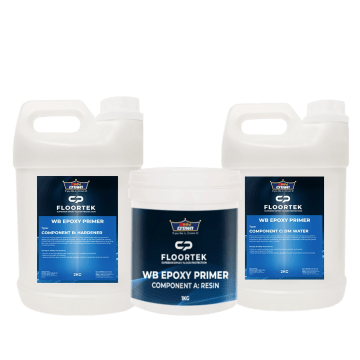
CP FLOORTEK Waterborne Epoxy Primer: It is recommended on interior floors which require high mechanical and chemical resistance
Hard-wearing epoxy floor coatings, self-levelling screeds, and polyurethane systems for garages, warehouses, workshops, and commercial premises.
Anti-corrosion metal primers, high-gloss enamel paints, zinc phosphate coatings, and heat-resistant finishes for gates, structural steel, and machinery.
Standard thinners, epoxy thinners, mineral turpentine, and paint strippers formulated for proper dilution and equipment cleanup.
Reliable cementitious waterproofing slurries, elastomeric acrylic membranes, and bitumen primers for flat roofs, wet areas, and water tanks.
Penetrating wall primers, alkali-resistant sealers, and smooth acrylic skimming putties to prepare concrete, plaster, and drywall before painting.
2K polyurethane acrylic topcoats, fast-drying autobase enamels, 2K clear coats, and body fillers for vehicle repair and refinishing.
High-grab contact adhesives, parquet wood flooring adhesives, tile adhesives, and flexible polyurethane joint sealants for construction.
Washable interior silk and matt emulsions for homes and offices, plus durable weatherproof exterior paints for boundary walls and facades.
Fast-drying chlorinated rubber road marking paints, reflective glass beads, and hot-melt thermoplastic compounds for roads, parking lots, and runways.
Severe rust and pitting on industrial steel beams, gantries, pipelines, and outdoor metal structures.
Commercial outdoor murals and public art installations in Kenya suffer rapid failure from moisture ingress through unsealed boundary wall copings, severe UV pigment fading, traffic soot contamination, and defacement without protective clear topcoats.
Dusting concrete, chemical spillage damage, and wheel abrasion from heavy forklifts in active warehouse environments.
Clear polyurethane varnishes, wood stains, sanding sealers, and exterior yacht varnishes for hardwood doors, pergolas, timber ceilings, and parquet floors.
Water pooling and ponding leaks penetrating concrete slabs into ceilings below.
Turnover repaint jobs frequently fail due to bleeding of stubborn oil, soot, water tide marks, and marker pens through standard water-based emulsion paint, coupled with rough, unfilled wall anchor holes that degrade rental presentation.
Professional mechanical diamond grinding, scarifying, dust-free shot blasting, and chemical floor etching to prepare concrete for high-adhesion coatings.
Automotive panels and commercial vehicle bodies in East Africa face intense equatorial UV solar radiation, road gravel chipping, diesel exhaust deposition, and tropical moisture cycles leading to clearcoat peeling, orange peel, and edge rusting.
High-traffic commercial venues experience rapid floor coating abrasion, tyre scuffing, slippery walking surfaces, and fading safety markings that violate safety regulations, yet venue operators cannot tolerate extended downtime for recoating.
Potable water certified solvent-free epoxy linings and chemical-resistant polyurethane systems for underground concrete water reservoirs, sewage treatment sumps, and chemical containment.
Parapet walls and open balconies suffer severe water infiltration through unsealed masonry coping joints, cracked 90-degree internal corners, and flat slabs without proper drainage slopes, driving moisture directly into living spaces below.
High chemical alkalinity (pH 12 to 14) in fresh Portland cement plaster burns standard paint pigments, while migrating capillary moisture deposits soluble mineral salts (efflorescence) beneath the film, resulting in unsightly white crystalline crusts, chalking, and blistering.
High-durability solvent-based road marking paints, reflective thermoplastic hot-melt compounds, and reflective glass beads for highways, factory floors, and mall parking lots.
100% pure acrylic exterior weather-shield paints engineered to resist extreme equatorial UV radiation, driving rain, and algae growth on facades and boundary walls.
White chalky salt crusts and flaking plaster caused by moisture rising through masonry foundations.
Heavy industrial anti-corrosion, blast cleaning preparation (Sa 2.5), zinc-rich primers, and polyurethane topcoats for structural steel across Kenya.
High-build chlorinated rubber and epoxy safety walkways, forklift traffic lanes, and loading bay stenciling for industrial facilities and car parks across Kenya.
High-build seamless epoxy flooring, self-smoothing screeds, and chemical-resistant floor coatings for warehouses, manufacturing plants, automotive workshops, and commercial facilities across Kenya.
High-bay warehouse interior walls, structural columns, loading dock coatings, and perimeter dust control for industrial logistics centers across Kenya.
High-build acrylic roof membranes, rust conversion, solar heat reflectance, and leak prevention for corrugated metal and tile roofs across Kenya.
Engineered multi-layer moisture barrier contracting for flat concrete roofs, parapet walls, wet areas, basements, and water retaining structures across Kenya.
Heavy-duty polyurethane resin screeds, thermal shock flooring (-40C to +120C), and food-grade hygienic finishes for commercial kitchens and processing plants across Kenya.
Heavy-duty mechanical diamond grinding, paint stripping, floor tile glue removal, crack chase injection, and masonry skimming to ensure sound substrate bonding across Kenya.
Fine architectural interior painting for living rooms, bedrooms, kitchens, and gypsum ceilings across Kenya with full floor masking and dustless sanding.
Turnkey interior and exterior residential painting contracting for family homes, townhouses, and private estates across Kenya, with thorough floor protection, surface repairs, and clean handover.
A practical architectural solution to red volcanic soil dust staining in Kenya. Explains dirt-pickup-resistant (DPIR) acrylic polymer chemistry, architectural skirting plinth bands, and gravel splash aprons.
Kenya’s climate is beautiful but unforgiving: rich red volcanic soil, blistering UV sunlight, and heavy downpours. How to pick exterior palettes that look stunning and resist staining.
A contractor evaluation checklist for comparing painting quotes in Kenya. Analyzes labour-only versus supply-and-apply contracts, unbundled material ledgers, scaffolding inclusions, and red flags in low bids.
A technical diagnostic guide for diaspora Kenyans finishing houses that have stood exposed to the elements. Covers weathered plaster inspection, moisture testing, crack consolidation, and efflorescence remediation.
The definitive engineering guide to painting along the Kenyan coast. Explains how marine chloride salts, high relative humidity, and porous coral rag stone cause paint failure, and how breathable siloxane systems survive.
A technical restoration and coating manual for roofs in Kenya. Covers corrugated iron (mabati) rust conversion, Decra stone tile refurbishment, clay tile sealing, and solar heat-reflective thermal barrier coatings.
Seamless epoxy flooring delivers high aesthetic beauty, chemical resistance, and extreme durability. However, success depends 100% on concrete moisture testing, mechanical diamond grinding, and correct resin chemistry.
A practical guide to temporary event markings, pedestrian wayfinding, and promotional stencilling in Kenya. Details removable chalk aerosols, waterborne temporary coatings, stencil application, and clean surface removal.
Corrugated iron mabati roofing endures extreme solar expansion, rust oxidation, and torrential rain. Professional roof restoration restores weatherproofing, eliminates fastener leaks, and lowers indoor temperatures by up to 5 degrees Celsius.
A practical turnover turnaround guide for rental properties in Nairobi and urban Kenya. Details washable silk versus flat matt selection, grease stain blocking, fast 48-hour turnarounds, and standardized rental color palettes.
Understanding active electrochemical passivation vs passive barrier coats on industrial factory trusses, security gates, and coastal steelwork.
The engineering guide to sports surface coatings and regulation line striping in Kenya. Covers acrylic outdoor basketball and tennis court resurfacing, cushioned indoor polyurethane gym floors, line marking regulations, and friction coefficients.
Industrial painting differs fundamentally from decorative work. Warehouses demand engineered systems: high-build epoxy floor coatings, intumescent and zinc-rich steel anti-corrosion primers, forklift line striping, and chemical-resistant wall sealers.
Painting corrugated iron mabati requires special preparation. Fresh galvanising repels standard paint, while weathered sheets need rust stabilisation. Specialized solar-reflective roof coatings prevent rust while cutting indoor temperatures.
A technical guide to painting and protecting perimeter boundary walls in Kenya. Explains why perimeter walls fail faster than main house walls, how to waterproof wall copings, and how to block rising ground dampness.
Mild steel gates and security fences face severe weather and ground-level splashback. Professional metal coating requires mechanical rust grinding, solvent degreasing, anti-corrosive priming, and high-build polyurethane or synthetic gloss enamel.
Slapping gloss paint over rust just traps the moisture that feeds corrosion. A metallurgical guide to abrasive blast cleaning, zinc phosphate primers, and protective enamels.
A strategic facility maintenance manual for hotels, safari lodges, restaurants, and entertainment lounges in Kenya. Explains low-season scheduled repainting, antimicrobial kitchen coatings, rapid-curing bar floor resins, and facility readiness for tourist surges and regional sporting events like AFCON PAMOJA 2027.
Painting mild steel gates without removing mill scale, welding slag, and oil guarantees corrosion within months. A durable gloss finish requires solvent degreasing, mechanical wire-brushing, anti-corrosive priming, and high-build enamel.
Over 85% of industrial epoxy failures stem from substrate profiling and moisture vapour transmission rather than chemical resin fault. Here is the forensic analysis.
Seamless, chemical-resistant, and capable of bearing forklift traffic without grout joints. A comprehensive guide to when epoxy flooring is an essential engineering choice.
In heavy industry, paint is not measured in coats—it is measured in microns of dry film thickness (DFT). An accessible guide to epoxy mastics, polyurethanes, and corrosion engineering.
Over 80% of coating complaints in Kenya are blamed on "bad paint." In reality, the paint failed because it was applied over dust, trapped moisture, oil, or uncured plaster.
Most people buy paint for the colour, but colour is only the pigment. Behind the hue lies a microscopic resin barrier fighting UV radiation, rain, carbonation, and atmospheric dust.
Renovating an older Kenyan property means dealing with ten layers of unknown paint, chalking, water stains, and aged oil gloss. Here is how to achieve a brand-new finish that lasts.
Applying wall emulsion to a metal gate or timber door ends in disaster. A complete breakdown of substrate mechanics: matching chemistry to plaster, timber, steel, and masonry.
A professional painting quotation is a legally binding specification document. It must detail surface preparation protocols, verified paint product lines, spreading rates, protective masking, scaffolding, cleanup, payment milestones, and warranties.
The Kenyan coast presents severe coatings challenges: saline sea spray, year-round 80%+ humidity, and porous coral rag masonry. Standard paints peel within months; durable protection requires salt-tolerant primers and silicone-acrylic barriers.
How modern solvent paste strippers dissolve 8+ layers of aged alkyd enamel and lead-based paints without scorched wood, gouged plaster, or airborne toxic dust.
Applying regular paint over a damp wall is like putting a band-aid on a broken pipe. A technical breakdown of hydrostatic pressure, elastomeric membranes, and crystalline slurries.
Buying paint is only half the budget. A successful painting project requires the right sundries: masking tape, drop cloths, skimming fillers, assorted sandpaper grits, quality rollers, and cleaning solvents.
Waterproofing differs fundamentally from decorative painting. Flat roofs, concrete gutters, retaining walls, and wet areas demand engineered barrier systems: elastomeric polyurethane membranes, cementitious polymer slurries, and torch-on bitumen.
Why traditional bitumen fails on exposed concrete roofs under UV index 11+, and how polymer-modified cementitious elastomeric systems bridge thermal cracks.
Whole-house repainting of double-storey maisonettes requires structured logistics: stairwell high-reach access, coordinated interior colour flow, exterior facade weather-proofing, and disciplined room staging.
Peeling paint is not just unsightly; it is a sign of complete mechanical delamination. Here is how to diagnose whether moisture, poor adhesion, or skim coat failure caused the peeling.