
Caparol
Caparol CapaEpo Tex Heavy-Duty Epoxy Textured Wall Coating
Heavy-duty 2-pack epoxy textured wall coating delivering exceptional mechanical impact resistance and chemical durability for industrial manufacturing facilities.
Sizes:20kg
In Stock

High-build seamless epoxy flooring, self-smoothing screeds, and chemical-resistant floor coatings for warehouses, manufacturing plants, automotive workshops, and commercial facilities across Kenya.
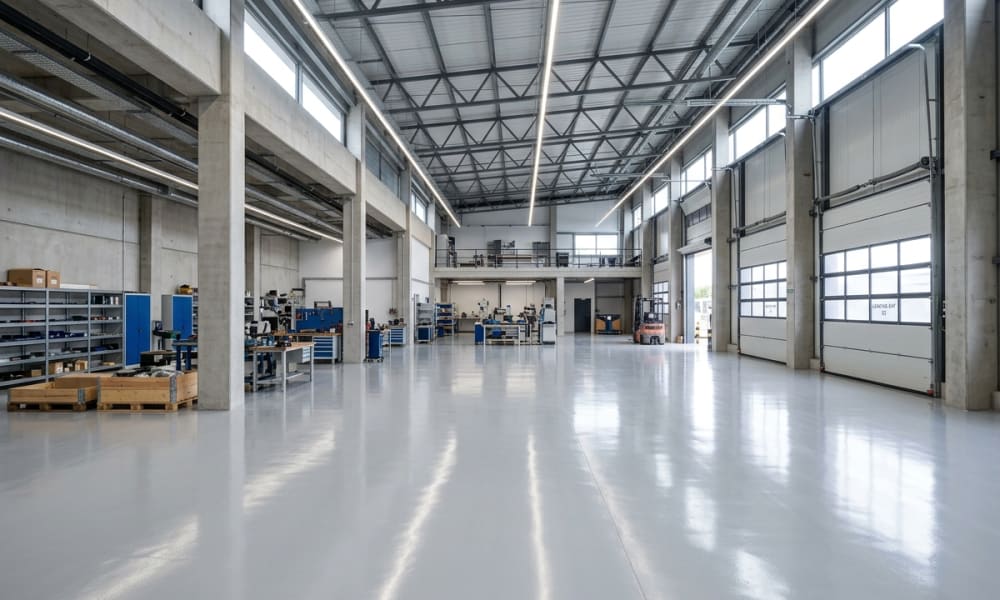
Seamless industrial epoxy flooring transforms porous, dusting, or cracked concrete into an impermeable, high-strength, and chemically resistant working surface. We provide turnkey installation of multi-layer epoxy coating systems, self-smoothing screeds, and heavy-duty polyurethane floor systems across Kenya. From mechanical diamond grinding preparation through moisture vapor barrier priming, high-build body coat application, and chemical-resistant topcoating, our installations are engineered to withstand heavy forklift traffic, impact, and chemical spills.
Epoxy is an exceptional material for internal industrial and commercial concrete floors, but it is not a universal solution for every surface. Understanding its appropriate use is critical:
Over 90 percent of epoxy floor failures happen because of inadequate surface preparation or high substrate moisture, not defective paint. Smooth, power-troweled concrete has a glassy surface skin called laitance that prevents epoxy resins from penetrating and forming a mechanical anchor. We use planetary diamond grinders fitted with industrial HEPA dust extractors to mechanically abrade the surface, opening the concrete pores to a Concrete Surface Profile (CSP) of 2 to 3. Any old grease, paint residues, or oil deposits are chemically degreased, and floor cracks are routed open and repaired with high-strength epoxy mortar before priming.
Different operating conditions require distinctly engineered floor thicknesses and chemical formulations:
Epoxy flooring estimates depend directly on technical concrete parameters verified during site inspection:
Installing an epoxy floor requires dedicated access to the work area. After surface preparation and priming, each coat requires proper cross-linking time. Ambient temperature and humidity affect curing rates. Under typical Kenyan daytime temperatures (20C to 28C), an epoxy floor can usually accept light foot traffic within 24 to 36 hours. However, full chemical cure and heavy forklift loading require 5 to 7 full days. Putting heavy machinery or steel-wheeled vehicles onto the floor before full cure can indent or fracture the resin.
Seamless epoxy floors are non-porous and hygienic, but they must be cleaned correctly to preserve their finish. Sweep or vacuum loose grit and dust regularly to prevent micro-scratching under vehicle tires. Wash with neutral, non-abrasive floor detergents using automated scrubber-driers or microfiber mops. Clean up chemical and oil spills promptly, and never drag bare steel pallets or heavy sharp machinery directly across the floor surface.
We test concrete moisture content, inspect hardness, and map surface cracks and oil contamination across the slab.
⏱ Estimated Interval: Half day
Planetary diamond grinders remove laitance and open concrete pores to CSP 2-3, accompanied by vacuum dust extraction.
⏱ Estimated Interval: 1 to 2 days
Cracks are chased with diamond blades and filled with high-strength epoxy repair mortar, then ground flush with the slab.
⏱ Estimated Interval: Half day
Application of 100% solids epoxy primer to penetrate the concrete, followed by self-smoothing body screed to build specified thickness.
⏱ Estimated Interval: 1 to 2 days
Application of chemical-resistant finish topcoat, followed by controlled curing period before returning to operational service.
⏱ Estimated Interval: 24h foot traffic, 5-7 days full load
This contracting specification is engineered for compliance with standards in the following facility sectors across Kenya:
Technical method statements and substrate specifications executed under this contracting division.

Seamless heavy-duty self-smoothing epoxy and polyurethane screeds for industrial workshops, warehouses, commercial garages, and manufacturing plants.
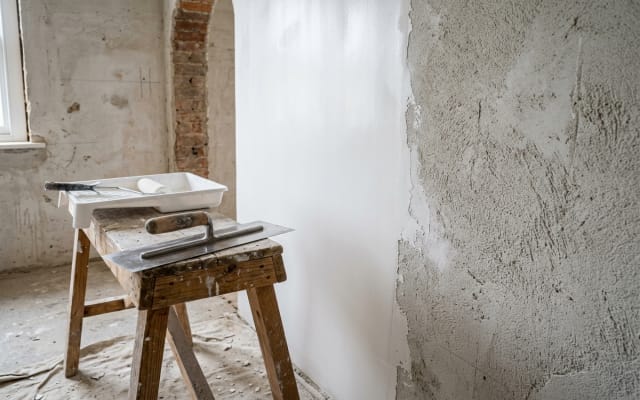
Professional mechanical diamond grinding, scarifying, dust-free shot blasting, and chemical floor etching to prepare concrete for high-adhesion coatings.
Manufacturer-approved paints, primers, epoxy screeds, and membranes installed by our crews.
Heavy-duty 2-pack epoxy textured wall coating delivering exceptional mechanical impact resistance and chemical durability for industrial manufacturing facilities.
Heavy-duty 2-pack polyamide-cured epoxy floor topcoat offering exceptional oil, grease, and abrasion resistance for commercial workshops and warehouses in Kenya.
Aliphatic 2-component polyurethane floor topcoat delivering extreme UV gloss stability, scratch resistance, and weather durability for indoor and outdoor floors.
Moisture-tolerant 2-component epoxy primer engineered to bond securely to damp concrete subfloors (up to 6% moisture) without blistering or loss of adhesion.
Solvent-based 2-component epoxy primer delivering deep capillary penetration, high adhesion (>2.5 N/mm²), and pore sealing for dense concrete floors in Kenya.
100% solids solvent-free 2-component self-leveling epoxy flooring system delivering high compressive strength (>75 N/mm²), chemical resistance, and seamless mirror-gloss durability for industrial plants.
Associated contracting scopes frequently combined with this service on Kenyan projects.
Heavy-duty polyurethane resin screeds, thermal shock flooring (-40C to +120C), and food-grade hygienic finishes for commercial kitchens and processing plants across Kenya.

Heavy-duty mechanical diamond grinding, paint stripping, floor tile glue removal, crack chase injection, and masonry skimming to ensure sound substrate bonding across Kenya.

High-build chlorinated rubber and epoxy safety walkways, forklift traffic lanes, and loading bay stenciling for industrial facilities and car parks across Kenya.

High-bay warehouse interior walls, structural columns, loading dock coatings, and perimeter dust control for industrial logistics centers across Kenya.
Epoxy is ideally suited for interior concrete slabs in warehouses, manufacturing plants, pharmaceutical facilities, automotive workshops, and commercial showrooms where seamless hygiene and chemical resistance are needed. It should not be installed on exterior slabs exposed to direct sunlight without a UV-stable polyurethane topcoat, nor on fresh concrete under 28 days old, nor on ground slabs with active rising damp and no vapor barrier.
Epoxy forms an impermeable barrier over concrete. If moisture vapor is rising through the slab from damp ground below, hydrostatic pressure builds up beneath the cured resin. Over weeks or months, this pressure forces the epoxy away from the concrete, causing unsightly blisters, bubbling, and delamination. Testing ensures we specify an epoxy moisture vapor barrier if moisture is detected.
Smooth troweled concrete has a dense, glassy top layer of cement paste called laitance. If epoxy is simply rolled onto this surface, it cannot penetrate and will peel off under tire traffic. Planetary diamond grinding grinds away this weak laitance and creates a rough, open pore structure (CSP 2 to 3) that mechanically locks the epoxy resin into the concrete.
A roll-on epoxy coating is typically applied in two or three thin layers totaling 300 to 500 microns (0.3mm to 0.5mm), which provides dustproofing and light foot traffic durability but follows the existing floor waviness. A self-smoothing epoxy screed is applied at 1.5mm to 3mm thickness using notched trowels and spiked rollers, creating an ultra-flat, seamless, jointless floor that withstands heavy forklift trucks and severe impact.
Under normal Kenyan temperatures (20C to 28C), light foot traffic can usually be permitted after 24 to 36 hours. However, the chemical cross-linking of the epoxy is not complete at that stage. Heavy industrial traffic, forklifts, pallet jacks, and exposure to cleaning chemicals require 5 to 7 full days of curing to prevent surface denting or chemical damage.
The most common causes of epoxy failure are poor mechanical preparation (such as acid washing instead of diamond grinding), high concrete moisture, applying over oil or grease contaminated slabs, moving structural slab cracks telegraphing through rigid epoxy, and returning vehicles to the floor before full cure.
Yes, provided proper remediation is undertaken before coating. Oil deposits must be treated with industrial degreasers or thermal torching. Spalls, holes, and wide cracks must be raked and filled with high-strength epoxy repair mortar. Extremely uneven floors may require a self-leveling cementitious underlayment before epoxy installation.
Regular maintenance requires sweeping loose dust and grit with soft brooms or industrial vacuum sweepers. Wash using neutral pH floor detergents with automated scrubber-driers or microfiber mops. Avoid strong acid cleaners or metal-wire abrasive scrubbing brushes. Spills of oil, battery acid, or strong solvents should be wiped up promptly.
We inspect the site, calibrate concrete moisture levels with digital impedance meters, evaluate substrate soundness, and write an exact bill of quantities before quotation.


