Caparol Acrylic Solvent Thinner for Solvent-Borne Sealers
Controlled-evaporation aromatic solvent thinner formulated for thinning Caparol solvent-based acrylic sealers (CapaSeal SB) and tool cleaning across Kenya.
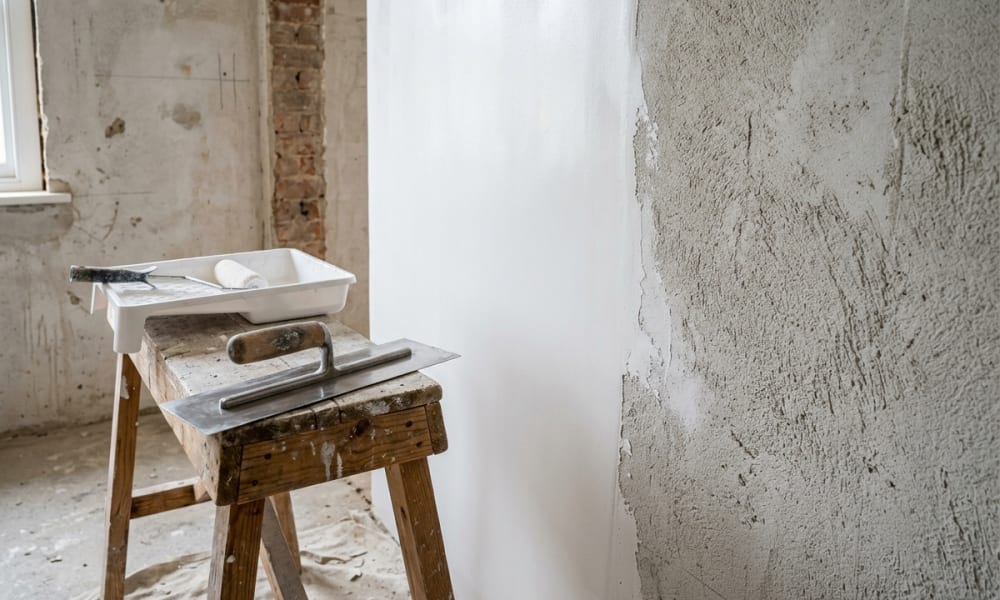
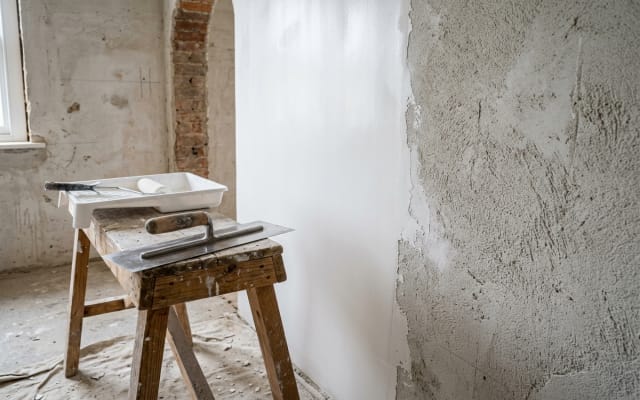
Heavy-duty mechanical diamond grinding, paint stripping, floor tile glue removal, crack chase injection, and masonry skimming to ensure sound substrate bonding across Kenya.
Every professional paint system, epoxy floor screed, and waterproofing membrane depends completely on the substrate beneath it. If a coating is applied over weak laitance, flaking paint, dirt, oil, or loose plaster, the new coating will delaminate regardless of how expensive or high-grade the paint may be. Industry studies consistently show that over 80 percent of premature coating failures are caused by inadequate surface preparation. We provide heavy-duty mechanical diamond grinding, dustless floor scarifying, high-pressure washing, crack chasing, and plaster skimming across residential, commercial, and industrial sites in Kenya.
Surface preparation is tailored to the exact substrate material, its existing condition, and the coating system scheduled to follow. Our services include:
There is no single preparation method that works for every surface. Concrete floors require rotary diamond abrasives; old interior plaster walls require gentle sanding and flexible joint compound; timber requires fine-grit belt sanding along the grain; and structural steel requires mechanical rust removal to reach sound metal. During our site assessment, we inspect the substrate to determine the appropriate preparation method rather than applying a rigid, one-size-fits-all approach.
Clients frequently worry that mechanical grinding will fill their home or commercial facility with airborne concrete dust. We address this using closed-loop industrial dust extraction. Our planetary grinders and hand tools are connected directly to heavy-duty industrial vacuum units fitted with certified HEPA filtration systems. This captures over 95 percent of dust right at the grinding head before it can disperse into the room, allowing preparation work to take place in operational or adjacent occupied facilities.
Surface preparation pricing is calculated based on clear technical variables:
We test concrete hardness, measure crack widths, check previous paint adhesion, and inspect for oil or chemical penetration.
⏱ Estimated Interval: 1 to 2 hours
Planetary diamond grinders or mechanical scarifiers remove failing coatings, adhesives, and weak surface laitance under dust extraction.
⏱ Estimated Interval: 1 to 2 days
Cracks are chased with diamond blades, vacuumed clean, and filled with epoxy or acrylic repair mortar feathered flush.
⏱ Estimated Interval: Half day to 1 day
Comprehensive vacuuming of all surfaces and joint inspection with the client or subsequent coating contractor.
⏱ Estimated Interval: Half day
This contracting specification is engineered for compliance with standards in the following facility sectors across Kenya:
Technical method statements and substrate specifications executed under this contracting division.
Professional mechanical diamond grinding, scarifying, dust-free shot blasting, and chemical floor etching to prepare concrete for high-adhesion coatings.
Chemical damp proof course (DPC) silane injection, salt-resistant anti-efflorescence primers, and breathable polymer skim coats to permanently cure wet walls and peeling paint.
Manufacturer-approved paints, primers, epoxy screeds, and membranes installed by our crews.
Controlled-evaporation aromatic solvent thinner formulated for thinning Caparol solvent-based acrylic sealers (CapaSeal SB) and tool cleaning across Kenya.
Refined de-aromatized mineral solvent thinner formulated for brush, roller, and spray thinning of Caparol Capalac alkyd enamels and metal primers.
High-grade polymer-modified mineral mortar engineered for ETICS mesh embedment, masonry renovation, and sleek raw concrete-effect architectural feature walls.
Alkali-resistant pure acrylic exterior primer engineered to neutralize free lime, block efflorescence, and provide an adhesive foundation for exterior acrylic facade paints.
Permanently elastic acrylic crack filler and joint compound engineered to bridge moving masonry cracks and perimeter joints without shrinking or splitting.
Acrylic leveling basecoat and smooth texture foundation designed to equalize substrate porosity and level uneven plaster before fine decorative topcoats.
Associated contracting scopes frequently combined with this service on Kenyan projects.
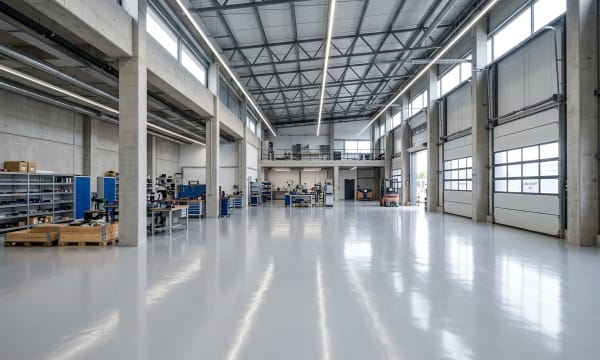
High-build seamless epoxy flooring, self-smoothing screeds, and chemical-resistant floor coatings for warehouses, manufacturing plants, automotive workshops, and commercial facilities across Kenya.
Heavy-duty polyurethane resin screeds, thermal shock flooring (-40C to +120C), and food-grade hygienic finishes for commercial kitchens and processing plants across Kenya.
Engineered multi-layer moisture barrier contracting for flat concrete roofs, parapet walls, wet areas, basements, and water retaining structures across Kenya.
Complete architectural coating execution for newly constructed residential houses, villas, and multi-unit developments across Kenya with proper plaster curing protocols.
A coating can only bond as strongly as the surface it touches. If you apply high-grade paint or epoxy over powdery plaster, oil grease, or loose previous paint, the new layer adheres to the loose contaminant rather than the solid substrate. Under building vibration, temperature changes, or foot traffic, the entire coating peels away from the wall or floor.
For walls with several thick layers of failing paint, we use sharp tungsten carbide scrapers, rotary mechanical sanders with coarse grit, or heat guns where appropriate. The surface is taken back to a solid, firmly bonded base. The transition edge between bare plaster and sound paint is feathered smooth with sandpaper so it does not show as a ridge through new paint.
Diamond grinding uses heavy rotating heads embedded with industrial diamond segments to abrade concrete. It is required before applying epoxy or polyurethane coatings because concrete has a weak, glassy surface layer called laitance. Diamond grinding removes this weak layer, opens the concrete pores, and creates an anchor profile that allows resins to penetrate deeply.
Superficial hairline cracks (under 1mm) from plaster shrinkage are raked open into a shallow groove and filled with flexible acrylic filler. Active structural cracks that move with building settlement are chased with diamond blades to 10mm depth, cleaned of dust, and filled with flexible polyurethane joint sealant or stitched with steel dowels before skim coating.
Standard dry grinding creates significant dust, but our professional machines use closed-loop dust shrouds attached directly to industrial vacuum extractors fitted with HEPA filters. This captures over 95 percent of dust right at the cutting head. For interior residential or occupied office work, we also hang protective polythene containment screens around the work area.
Yes. Old black bitumen glue and rubberized carpet adhesives cannot be removed with simple sanding because heat melts the glue into a sticky mess. We use specialized polycrystalline diamond (PCD) scraper heads on our floor machines that physically shear the adhesive off the concrete without gumming up the equipment.
We perform cross-hatch adhesion tests and tape pull checks. We use a blade to score a small cross-hatch pattern on the paint, apply heavy adhesive tape firmly, and pull it off rapidly. If paint pulls away on the tape, the existing coating has lost adhesion and must be stripped. If it remains intact, the wall only needs washing, light scuff sanding, and spot priming.
High moisture content prevents many primers from bonding and can trap steam inside the substrate. Before priming, we test concrete and plaster with digital impedance meters. If moisture exceeds 12% on plaster or 4% on concrete, we identify the drying time required or specify moisture-tolerant epoxy primers before proceeding.
We inspect the site, calibrate concrete moisture levels with digital impedance meters, evaluate substrate soundness, and write an exact bill of quantities before quotation.