Zinc Phosphate Primer
Glory Zinc Phosphate Primer is a non-toxic, chromate-free anti-corrosive primer providing high-performance rust inhibition for structural steelwork in environmentally conscious buildings.
Heavy industrial anti-corrosion, blast cleaning preparation (Sa 2.5), zinc-rich primers, and polyurethane topcoats for structural steel across Kenya.
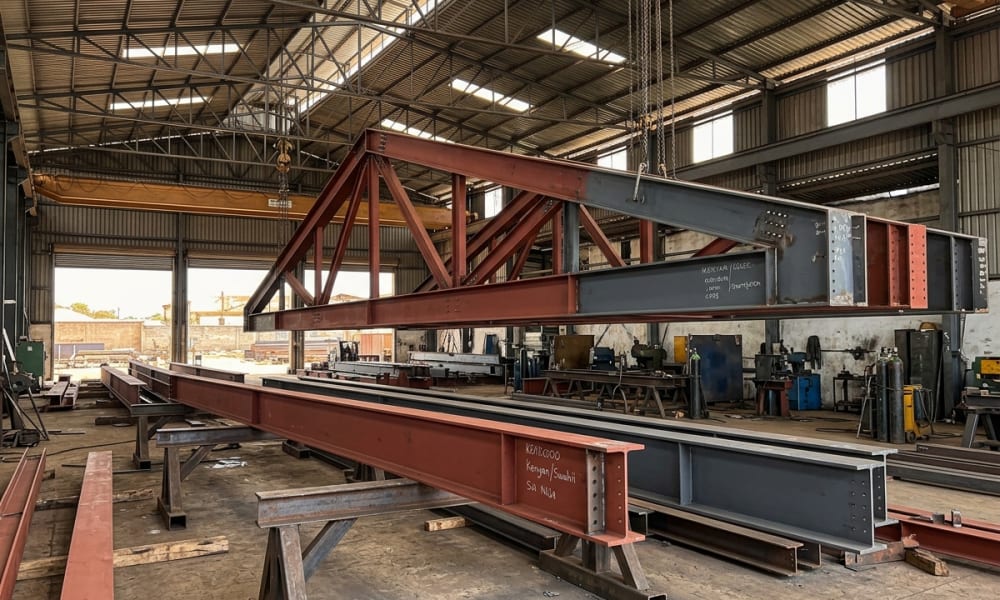
Unprotected structural steel corrodes rapidly when exposed to humidity, atmospheric sulfur, industrial chemical fumes, and maritime coastal salts. Corrosion weakens load-bearing steelwork, threatening structural safety and causing costly asset deterioration. We provide professional anti-corrosion contracting for industrial steel structures, factory portal frames, warehouse trusses, overhead cranes, exterior storage tanks, and pipe bridges across Kenya. We combine mechanical surface preparation (power tool cleaning St 3 or abrasive blast cleaning Sa 2.5) with multi-coat zinc, epoxy, and polyurethane barrier systems.
Effective anti-corrosion requires a three-tier defense system tailored to the environmental corrosivity category (ISO 12944):
We verify every stage of metal coating application with calibrated instrumentation. Steel surface temperatures and ambient relative humidity are checked to prevent condensation during application. Wet-film thickness (WFT) gauges are used during spraying, and dry-film thickness (DFT) magnetic gauges verify that the specified total dry film thickness has been achieved before handover.

We assess corrosion severity, test for oil contamination, and set up containment and scaffolding.
⏱ Estimated Interval: 1 day
Steel is degreased with solvent wash and cleared of rust and mill scale using rotary wire brushes or abrasive blasting.
⏱ Estimated Interval: 1 to 3 days
Application of zinc-rich primer with manual stripe coating on weld seams, sharp edges, and bolt clusters.
⏱ Estimated Interval: 1 to 2 days
High-build epoxy intermediate coat followed by UV-stable polyurethane finish, verified with DFT gauges.
⏱ Estimated Interval: 2 to 4 days
This contracting specification is engineered for compliance with standards in the following facility sectors across Kenya:
Technical method statements and substrate specifications executed under this contracting division.
Manufacturer-approved paints, primers, epoxy screeds, and membranes installed by our crews.
Glory Zinc Phosphate Primer is a non-toxic, chromate-free anti-corrosive primer providing high-performance rust inhibition for structural steelwork in environmentally conscious buildings.
Glory Quick Air Drying (QAD) Red Oxide Primer is a rapid-drying anti-corrosive primer engineered for high-throughput steel fabrication and structural rust protection.
The classic rust-inhibiting alkyd primer with iron oxide pigments for general steelwork and sheet metal protection across Kenyan construction sites.
Premium two-pack polyamide-cured epoxy anti-corrosion primer fortified with active zinc phosphate pigment for structural steel, iron, and galvanized metal across Kenya.
Associated contracting scopes frequently combined with this service on Kenyan projects.
High-bay warehouse interior walls, structural columns, loading dock coatings, and perimeter dust control for industrial logistics centers across Kenya.
High-build acrylic roof membranes, rust conversion, solar heat reflectance, and leak prevention for corrugated metal and tile roofs across Kenya.
Heavy-duty mechanical diamond grinding, paint stripping, floor tile glue removal, crack chase injection, and masonry skimming to ensure sound substrate bonding across Kenya.
Liquid paint naturally pulls thin over sharp 90-degree metal edges, weld seams, bolts, and rivet heads due to surface tension. Stripe coating is a dedicated manual brush application of primer specifically along these vulnerable edges before full spray coating, ensuring adequate film build where corrosion always begins first.
Galvanized zinc coatings develop a passivating chromate film and smooth oxide layer that causes standard paint to peel off rapidly. We clean the zinc with an emulsifying wash, abrade with fine nylon pads, and apply a specialized two-pack polyvinyl butyral etch primer or vinyl primer before topcoating.
When humidity is above 85% or the steel temperature is within 3 degrees Celsius of the dew point, microscopic moisture condenses directly on the cold metal surface. Applying paint over this moisture traps water against the steel, causing flash rusting and immediate blistering.
A DFT audit uses calibrated electromagnetic thickness gauges to measure the exact thickness of the cured paint system in microns (e.g. 75 microns primer + 125 microns intermediate + 50 microns topcoat = 250 microns total). This verifies the coating meets the engineering specification required to resist corrosion.
Yes, if the existing paint is tightly adherent. We perform spot cleaning on rusted areas back to bare metal (St 3 standard), feather the edges smooth, apply a surface-tolerant epoxy mastic primer over the bare metal and overlapping edges, and apply an overcoat across the entire structure.
A properly specified three-coat zinc/epoxy/polyurethane system (250+ microns total DFT) in inland Kenyan environments (such as Nairobi and the Rift Valley) typically provides 10 to 15 years of corrosion protection before requiring major maintenance repainting.
We inspect the site, calibrate concrete moisture levels with digital impedance meters, evaluate substrate soundness, and write an exact bill of quantities before quotation.