Ceiling Paint
Specifically formulated for ceilings, Duracoat Ceiling Paint is ultra flat, hiding common ceiling imperfections for a look that is virtually flawless. It provides ample open time to ensure minimal lapping and has minimal spatter.
Duracoat Ceiling Paint is a matt finish architectural coating from DuraCoat (Basco Products Kenya Ltd) designed for Gypsum Boards and Ceilings & Plasterboard with a coverage rate of 10 - 12 Sq. Mt/Ltr, and touch-dry in 20 - 30 Minutes. Available through Paints Kenya for residential, commercial, and professional painting projects across Kenya.
Specifically formulated for ceilings, Duracoat Ceiling Paint is ultra flat, hiding common ceiling imperfections for a look that is virtually flawless. It provides ample open time to ensure minimal lapping and has minimal spatter.
A highly durable, water-based coating for the marking of traffic lines on asphalt and c oncrete surfaces.
A quick-drying, modified alkyd resin solvent-based paint
A highly durable, Acrylic paint for marking asphalt and concrete roads.
Crown WB Fire Shield (Intumescent Paint) is a low VOC water based one component paint designed for fire protection for concrete, structural steel work in buildings, wood, and gypsum board. During direct fire, the coating expands to many times of its original thickness. It creates an insulation layer
An alkyd-based coating with a semi-glossy finish designed for the protection of galvanized roofs and exposed steelwork.
The indispensable trade painter's 6-in-1 multi-tool. Combines a flat scraper, curved roller squeegee, pointed crack gouger, paint tin lid pryer, nail puller, and solid metal hammer end into one rugged tool.
A single pack, bitumen-based finish with a brownish silver colouring.
A modified alkyd resin-based topcoat with a smooth satin finish.
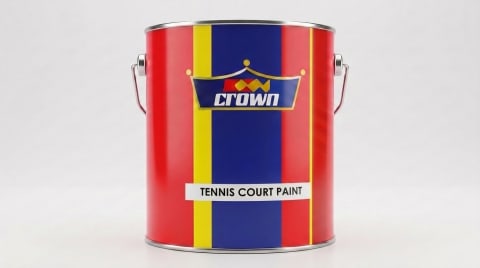
A water based acrylic coating, specifically formulated for use as a tennis court top coat dressing.
A single pack, synthetic resin-based coating with Aluminium pigment.
Product Use: Economical protection for steel, concrete, wood, asbestos, and masonry in mild to slightly harsh environments
Type: A single pack, low build, Chlorinated Rubber based coating.
An alkyd resin-based topcoat with a glossy finish.
An alkyd resin-based topcoat with a smooth matt finish, designed for interior and exterior surfaces.
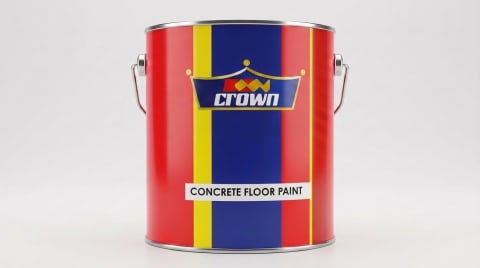
An epoxy resin-based floor coating with a semi-glossy finish, supplied in two-pack form with good resistance to abrasion, chemicals, water, fats, oils, pedestrian and vehicular traffic
DuraCoat Roof Paint is designed for use on iron roofing sheets as a finish coat and is manufactured using the finest light fast pigments. It gives a tough durable film which has excellent durability in open weather.
Duracoat Rooftec Self Priming Acrylic Roof Paint is an extremely durable, weather resistance and fully flexible coating for roofs. The tough formulation is resistant to UV light and offers superior water resistance. Advanced pigments and light stabilisers ensure that the wide range of colours remain true.
Standard thinners, epoxy thinners, mineral turpentine, and paint strippers formulated for proper dilution and equipment cleanup.
Washable interior silk and matt emulsions for homes and offices, plus durable weatherproof exterior paints for boundary walls and facades.
Fast-drying chlorinated rubber road marking paints, reflective glass beads, and hot-melt thermoplastic compounds for roads, parking lots, and runways.
2K polyurethane acrylic topcoats, fast-drying autobase enamels, 2K clear coats, and body fillers for vehicle repair and refinishing.
Hard-wearing epoxy floor coatings, self-levelling screeds, and polyurethane systems for garages, warehouses, workshops, and commercial premises.
Professional paint rollers, synthetic bristle brushes, masking tape, sandpaper, drop sheets, and protective gear for quality application.
Anti-corrosion metal primers, high-gloss enamel paints, zinc phosphate coatings, and heat-resistant finishes for gates, structural steel, and machinery.
Porous coastal coral rag stone and coastal plaster rapidly deteriorate under ocean salt spray, high humidity, and driving monsoon rain, resulting in salt crystallisation spalling, stubborn black fungal mould, and widespread paint delamination.
High chemical alkalinity (pH 12 to 14) in fresh Portland cement plaster burns standard paint pigments, while migrating capillary moisture deposits soluble mineral salts (efflorescence) beneath the film, resulting in unsightly white crystalline crusts, chalking, and blistering.
Turnover repaint jobs frequently fail due to bleeding of stubborn oil, soot, water tide marks, and marker pens through standard water-based emulsion paint, coupled with rough, unfilled wall anchor holes that degrade rental presentation.
Automotive panels and commercial vehicle bodies in East Africa face intense equatorial UV solar radiation, road gravel chipping, diesel exhaust deposition, and tropical moisture cycles leading to clearcoat peeling, orange peel, and edge rusting.
High-traffic commercial venues experience rapid floor coating abrasion, tyre scuffing, slippery walking surfaces, and fading safety markings that violate safety regulations, yet venue operators cannot tolerate extended downtime for recoating.
Commercial outdoor murals and public art installations in Kenya suffer rapid failure from moisture ingress through unsealed boundary wall copings, severe UV pigment fading, traffic soot contamination, and defacement without protective clear topcoats.
Parapet walls and open balconies suffer severe water infiltration through unsealed masonry coping joints, cracked 90-degree internal corners, and flat slabs without proper drainage slopes, driving moisture directly into living spaces below.
Severe rust and pitting on industrial steel beams, gantries, pipelines, and outdoor metal structures.
White chalky salt crusts and flaking plaster caused by moisture rising through masonry foundations.
100% pure acrylic exterior weather-shield paints engineered to resist extreme equatorial UV radiation, driving rain, and algae growth on facades and boundary walls.
High-durability solvent-based road marking paints, reflective thermoplastic hot-melt compounds, and reflective glass beads for highways, factory floors, and mall parking lots.
Heavy-duty mechanical diamond grinding, paint stripping, floor tile glue removal, crack chase injection, and masonry skimming to ensure sound substrate bonding across Kenya.
Hiring a painting contractor on a handshake often leads to watered-down paint, ruined tiled floors, and phantom site delays. Here are the 7 tough questions to ask before signing.
Hiring the wrong painting contractor leads to ruined floors, diluted paint, missed deadlines, and cost disputes. Use this 8-point vetting checklist to evaluate contractors, verify references, and review insurance coverage.
Painting a single bedroom yourself can be satisfying and save money. However, full-house repainting, exterior facades, stairwells, and damp remediation involve significant safety risks, specialist equipment, and time commitments that favour professional contracting.
A vague enquiry leads to vague prices that change mid-project. Learn how to prepare property dimensions, surface photos, substrate histories, and finish preferences to get a legally binding, itemized painting quotation.
Equatorial UV breaks down economy paint binders within two seasons, leaving chalky powder and bleached walls. High-performance exterior coatings use pure acrylics or silicone resins to repel torrential rain while resisting solar radiation.
Applying a single thick coat to save time causes sagging and patchy coverage, while over-diluting paint with water forces four watery coats. The industry standard remains one primer coat followed by two full-strength topcoats.
Buying paint by guesswork leads to half-empty 20L drums sitting in garages or running out mid-wall with mismatched tint batches. Here is the mathematical formula for paint estimation.
Children's rooms require specialized paint: low-VOC emissions for respiratory safety, Class 1 scrub resistance for washable crayon and marker marks, and calming colour schemes that support peaceful sleep.
Choosing house paint is about more than picking a shade card. Substrate porosity, room humidity, cleaning needs, and local weather dictate which formulation actually lasts.
Most people buy paint for the colour, but colour is only the pigment. Behind the hue lies a microscopic resin barrier fighting UV radiation, rain, carbonation, and atmospheric dust.
From dead matt ceilings that hide plaster waves to wipeable silk walls and reflective gloss woodwork. A no-nonsense guide to choosing the right sheen level for every room.
Applying wall emulsion to a metal gate or timber door ends in disaster. A complete breakdown of substrate mechanics: matching chemistry to plaster, timber, steel, and masonry.
A 5-year life-cycle cost analysis comparing economy PVA paint with 100% acrylic premium coatings in Kenya. Analyzes pigment volume concentration, washability cycles, repainting frequency, and total cost of ownership.
A forensic buyer protection guide against counterfeit paint and site adulteration in Kenya. Learn how to verify factory tamper-evident seals, batch date stamps, KEBS diamond marks, and authorized dealer supply chains.
A practical mathematical guide to calculating paint quantities in Kenya. Covers wall surface area formulas, door and window deductions, plaster porosity factors, bucket pack combinations (1L, 4L, 20L), and waste margins.
Painting corrugated iron mabati requires special preparation. Fresh galvanising repels standard paint, while weathered sheets need rust stabilisation. Specialized solar-reflective roof coatings prevent rust while cutting indoor temperatures.
Over 80% of coating complaints in Kenya are blamed on "bad paint." In reality, the paint failed because it was applied over dust, trapped moisture, oil, or uncured plaster.
Nothing is more disappointing than stepping back after painting to find roller stripes, flashing, and patchy spots. Learn why paint flashes and how to achieve a uniform finish.
Bubbles and blisters under your paint film are warning flares. Whether caused by trapped moisture vapour or direct solar heat during painting, here is how to diagnose and cure them.
Peeling paint is not just unsightly; it is a sign of complete mechanical delamination. Here is how to diagnose whether moisture, poor adhesion, or skim coat failure caused the peeling.
Buying luxury KSh 18,000 paint will not stop peeling if applied over powdery plaster. An honest look at the economics of prep work vs paint price per litre.
Spending KSh 1,500 on sample pots is the cheapest insurance policy in architecture. Here is how to test paint swatches like a professional designer before ordering 20L drums.
How modern solvent paste strippers dissolve 8+ layers of aged alkyd enamel and lead-based paints without scorched wood, gouged plaster, or airborne toxic dust.
From diamond rasping and sugar soap washing to skim coat sanding and moisture metering. A step-by-step masterclass in professional wall preparation.
A contractor evaluation checklist for comparing painting quotes in Kenya. Analyzes labour-only versus supply-and-apply contracts, unbundled material ledgers, scaffolding inclusions, and red flags in low bids.
Painting over a damp wall is the fastest way to waste money in Kenya. Understand the difference between rising damp, penetrating damp, and condensation before opening a tin.
A practical guide to temporary event markings, pedestrian wayfinding, and promotional stencilling in Kenya. Details removable chalk aerosols, waterborne temporary coatings, stencil application, and clean surface removal.
The definitive master architectural checklist: a structured journey across substrate diagnosis, moisture limits, paint calculation, colour sampling, and trade sequencing.
A realistic breakdown of house painting costs in Kenya. Learn how paint materials, preparation fillers, scaffolding, and fundi labour add up, and how to avoid costly surprises.
Buying paint is only half the budget. A successful painting project requires the right sundries: masking tape, drop cloths, skimming fillers, assorted sandpaper grits, quality rollers, and cleaning solvents.
Few sights cause more panic in a new building than cracks appearing across fresh paint. Here is how to distinguish minor plaster crazing from structural building movement.
Skipping the primer is the single most expensive mistake in painting. Here is how primers, undercoats, and topcoats work together as a three-part structural system.
Comparing water repellency, microporous breathability, and fungal resistance across exterior wall systems and architectural masonry finishes in Kenya.
A shade that looks calming on a Pinterest photo from Scandinavia often feels stark, blinding, or strangely yellow under intense Kenyan equatorial sunshine. Here is how light dictates colour.
Planning a painting renovation requires realistic scheduling. From surface prep and plaster curing to mandatory intercoat drying intervals and final snagging, here are verified project duration benchmarks for homes in Kenya.
Living in a bedsitter or compact apartment does not mean living with boring white walls. Discover how light reflectance, undertones, and smart trim colours create breathing room.
Commercial colour design is about performance: keeping employees alert, expressing corporate identity, and choosing durable sheens that survive hundreds of daily visitors.
Painting mild steel gates without removing mill scale, welding slag, and oil guarantees corrosion within months. A durable gloss finish requires solvent degreasing, mechanical wire-brushing, anti-corrosive priming, and high-build enamel.
You loved the colour on your iPhone and verified it on a printed paper swatch. But on the wall, it looks completely transformed. The science of metamerism, scale, and lighting explained.
A practical architectural solution to red volcanic soil dust staining in Kenya. Explains dirt-pickup-resistant (DPIR) acrylic polymer chemistry, architectural skirting plinth bands, and gravel splash aprons.
Strategic architectural paint specifications for retirement homes in Kenya. Focuses on 10-year exterior coatings, ultra-washable low-VOC interiors, non-glare lighting palettes, and minimal maintenance designs.
A practical remote project governance framework for diaspora Kenyans. Learn how to establish milestone payments, verify genuine paint batches, approve colors via video swatches, and conduct independent site audits.
Renovating an older Kenyan property means dealing with ten layers of unknown paint, chalking, water stains, and aged oil gloss. Here is how to achieve a brand-new finish that lasts.
In rental property management, paint is an operational maintenance expense. How to select wipeable sheens, standardized neutral palettes, and durable trim finishes that survive tenant turnover.
Closing your business to paint means lost revenue; painting during office hours means coughing employees and paint-stained laptops. Here is how phased commercial execution works.
The definitive engineering guide to painting along the Kenyan coast. Explains how marine chloride salts, high relative humidity, and porous coral rag stone cause paint failure, and how breathable siloxane systems survive.
A preventative maintenance manual for overseas owners of unoccupied Kenyan properties. Covers passive cross-ventilation, anti-fungal paint systems, roof drain inspections, and damp prevention protocols.
Exterior walls with peeling paint, powdery chalking, and bleached fading cannot simply be painted over. Successful restoration requires forensic diagnosis, high-pressure washing, stabilizing primer application, and high-performance weatherguard coatings.
Paint is only as good as the surface beneath it. Professional surface preparation encompasses thorough mechanical scraping, high-pressure washing, crack chasing, gypsum skim coating, and graded sanding to create the ideal anchor profile.
Wiping mould with household bleach only bleaches the surface while fungal roots survive inside plaster pores. A permanent fix requires biocidal sterilisation, moisture control, and fungicidal paints.
A technical guide to painting and protecting perimeter boundary walls in Kenya. Explains why perimeter walls fail faster than main house walls, how to waterproof wall copings, and how to block rising ground dampness.
A technical facility management guide to repainting community centres, public halls, and educational institutions in Kenya. Focuses on low-odour zero-VOC finishes, scuff-resistant washable walls, rapid 24-hour public re-entry, and dignified, nonpartisan civic presentation.
The definitive engineering guide to cement-sand plaster hydration, carbonation, and moisture testing in Kenya. Explains why premature painting causes saponification and how calibrated Tramex meters prevent coating failure.
A comprehensive breakdown of overlooked painting expenses in Kenya. Learn how surface prep materials, scaffolding hire, upcountry transport surcharges, and waste disposal impact your final budget.
A strategic facility maintenance manual for hotels, safari lodges, restaurants, and entertainment lounges in Kenya. Explains low-season scheduled repainting, antimicrobial kitchen coatings, rapid-curing bar floor resins, and facility readiness for tourist surges and regional sporting events like AFCON PAMOJA 2027.
Corrugated iron mabati roofing endures extreme solar expansion, rust oxidation, and torrential rain. Professional roof restoration restores weatherproofing, eliminates fastener leaks, and lowers indoor temperatures by up to 5 degrees Celsius.
Commercial office painting requires seamless operational continuity: after-hours and weekend scheduling, zero-VOC odourless coatings, rigorous IT server and workstation protection, and rapid turnover.
Coastal properties in Kenya face extreme marine environments: airborne sea chlorides, year-round 80%+ humidity, and porous coral rag masonry. Discover the engineering standards governing marine-grade coatings, salt washdowns, and silicone weatherproofing.
A practical turnover turnaround guide for rental properties in Nairobi and urban Kenya. Details washable silk versus flat matt selection, grease stain blocking, fast 48-hour turnarounds, and standardized rental color palettes.
A technical restoration and coating manual for roofs in Kenya. Covers corrugated iron (mabati) rust conversion, Decra stone tile refurbishment, clay tile sealing, and solar heat-reflective thermal barrier coatings.
In retail environments, store aesthetics directly drive foot traffic and customer spend. Explore how retail painting contracting balances high-impact brand colour schemes, extreme-durability scuff-resistant finishes, and overnight store refits.
Hiring a professional painting service in Kenya should be transparent and predictable. From initial moisture diagnostics and itemized quotations to surface masking, multi-coat application, and snagging inspections, here is the full workflow.
Navigating painting costs in Kenya requires understanding the core drivers: labour square-metre rates, premium vs economy paint pricing, surface preparation intensity, and scaffolding access. Here is an honest estimating framework.
In heavy industry, paint is not measured in coats—it is measured in microns of dry film thickness (DFT). An accessible guide to epoxy mastics, polyurethanes, and corrosion engineering.
Applying the final paint coat too early in the construction sequence invites scuffs from electricians, plumbers, and carpenters. Here is the definitive schedule for site sequencing.
Slapping gloss paint over rust just traps the moisture that feeds corrosion. A metallurgical guide to abrasive blast cleaning, zinc phosphate primers, and protective enamels.
Applying regular paint over a damp wall is like putting a band-aid on a broken pipe. A technical breakdown of hydrostatic pressure, elastomeric membranes, and crystalline slurries.
A professional painting quotation is a legally binding specification document. It must detail surface preparation protocols, verified paint product lines, spreading rates, protective masking, scaffolding, cleanup, payment milestones, and warranties.
Transforming indoor living spaces requires tailored sheen selection, zero-VOC formulations for family health, careful furniture masking, and staged room scheduling so daily life continues smoothly during painting.
Why standard PVA paints bubble over fresh cement plaster. The science of alkali resistance, efflorescence blocking, and deep-penetrating masonry primers.
The Kenyan coast presents severe coatings challenges: saline sea spray, year-round 80%+ humidity, and porous coral rag masonry. Standard paints peel within months; durable protection requires salt-tolerant primers and silicone-acrylic barriers.