
Crown Paints
Surface Preparation, Primers & Wall Putty
Alkali Resistant Wall Primer
A modified alkyd-based primer for masonry and gypsum surfaces.

Crown Alkali Resistant Wall Primer is an architectural and protective coating manufactured by Crown Paints. Formulated for a modified alkyd-based primer for masonry and gypsum surfaces, it delivers reliable film durability and coverage across residential, commercial, and industrial facilities in Kenya.
A modified alkyd-based primer for masonry and gypsum surfaces.

A single pack, air drying, Alkyd based Primer for Steel.

Crown Multi Surface Primer is a water-based fast drying corrosion inhibiting adhesion promoted primer used in conjunction with Crown Aqua Glow topcoat, the finishing system performs exceptionally well under all weather conditions to a range of metal surfaces. It incorporates latest technology in pur

A single-pack etch primer based on modified Polyvinyl Butyral resin, rust inhibitive pigments and acid.

A single pack, alkyd based economical primer for metals in mild environment.

A single pack, alkyd based economical primer for metals in mild environment.

A single pack, very thick and heavy primer that possesses excellent corrosion resistance due to galvanic protection. Based on modified synthetic resin and zinc metal anticorrosive pigment.

Duracoat Alkali Resistant Primer is a high quality water based acrylic copolymer primer intended for use on masonry surface to minimize unsightly white salts or "efflorescence" migrating through the applied coating system. The primer forms a barrier over alkali substrates limiting the reaction with atmospheric Carbon Dioxide thus reducing the formation of unsightly white deposits or "efflorescence" on the surface typically associated with coating of highly alkaline fresh masonry.

A single pack, rapid drying, metal primer based on Chlorinated Rubber resin and Zinc Phosphate anticorrosive pigment.

A modified alkyd-based primer for masonry and gypsum surfaces.

Water based, 3 in 1 (primer/ sealer/ undercoat) for timber and (untreated) hardboard.
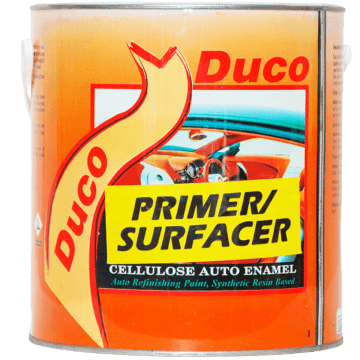
A single pack, nitrocellulose resin-based Primer.

A transparent modified alkyd-based primer for loosely bound, powdery & chalking interior/ exterior surfaces.
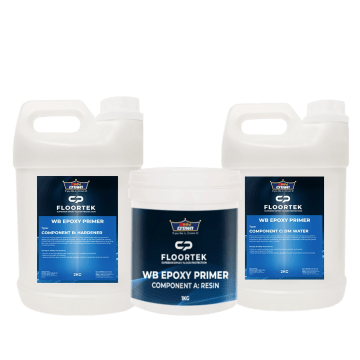
CP FLOORTEK Waterborne Epoxy Primer: It is recommended on interior floors which require high mechanical and chemical resistance

The new generation water based 100% acrylic non toxic anti-corrosive metal primer for use on degreased Galvanised steel and rust free, clean dry mild steel.

DuraCoat Red Oxide Zinc Chromate Primer is designed for use on new and uncoated iron, steel, and Aluminium Alloy surfaces. It consists of Red Oxide and Zinc Chromate pigments, specifically incorporated to inhibit rust and preserve the surface in corrosive atmosphere.
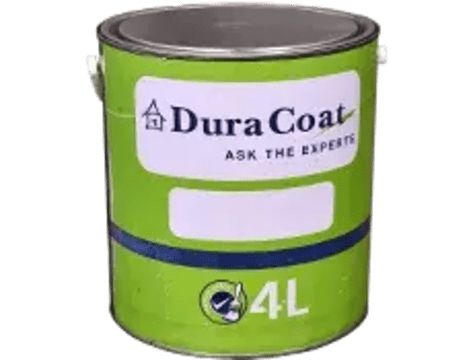
DuraCoat Chlorinated Rubber Primer is a high performance, non-toxic undercoat for use under DuraCoat Chlorinated Rubber paint. Particularly suitable for use in breweries, factories and other areas where a non-toxic system is desirable.

DuraCoat Penetrating Primer is based on high quality resins, pigments and extenders. It is designed to bind loosely bound powdery and flaking surfaces. It can also be used on new and very porous plaster surfaces where prior binding is required before painting. It is recommended for use when redecorating external walls which have been neglected, and water seepage has led to deterioration of paint coats.
Penetrating wall primers, alkali-resistant sealers, and smooth acrylic skimming putties to prepare concrete, plaster, and drywall before painting.
Anti-corrosion metal primers, high-gloss enamel paints, zinc phosphate coatings, and heat-resistant finishes for gates, structural steel, and machinery.
2K polyurethane acrylic topcoats, fast-drying autobase enamels, 2K clear coats, and body fillers for vehicle repair and refinishing.
Reliable cementitious waterproofing slurries, elastomeric acrylic membranes, and bitumen primers for flat roofs, wet areas, and water tanks.
Severe rust and pitting on industrial steel beams, gantries, pipelines, and outdoor metal structures.
High chemical alkalinity (pH 12 to 14) in fresh Portland cement plaster burns standard paint pigments, while migrating capillary moisture deposits soluble mineral salts (efflorescence) beneath the film, resulting in unsightly white crystalline crusts, chalking, and blistering.
Water pooling and ponding leaks penetrating concrete slabs into ceilings below.
White chalky salt crusts and flaking plaster caused by moisture rising through masonry foundations.
Turnover repaint jobs frequently fail due to bleeding of stubborn oil, soot, water tide marks, and marker pens through standard water-based emulsion paint, coupled with rough, unfilled wall anchor holes that degrade rental presentation.
100% pure acrylic exterior weather-shield paints engineered to resist extreme equatorial UV radiation, driving rain, and algae growth on facades and boundary walls.
Heavy industrial anti-corrosion, blast cleaning preparation (Sa 2.5), zinc-rich primers, and polyurethane topcoats for structural steel across Kenya.
Institutional painting for schools, universities, hospitals, and healthcare clinics across Kenya with low-VOC, antimicrobial, and scrub-resistant coatings.
Why standard PVA paints bubble over fresh cement plaster. The science of alkali resistance, efflorescence blocking, and deep-penetrating masonry primers.
Skipping the primer is the single most expensive mistake in painting. Here is how primers, undercoats, and topcoats work together as a three-part structural system.
Applying a single thick coat to save time causes sagging and patchy coverage, while over-diluting paint with water forces four watery coats. The industry standard remains one primer coat followed by two full-strength topcoats.
Exterior walls with peeling paint, powdery chalking, and bleached fading cannot simply be painted over. Successful restoration requires forensic diagnosis, high-pressure washing, stabilizing primer application, and high-performance weatherguard coatings.
Painting a newly built home requires strict chemical and moisture discipline. Fresh plaster is highly alkaline and damp. Premature coating causes saponification and peeling. Here is the professional plaster-to-topcoat protocol.
The definitive engineering guide to cement-sand plaster hydration, carbonation, and moisture testing in Kenya. Explains why premature painting causes saponification and how calibrated Tramex meters prevent coating failure.
That chalky white crystalline crust blooming across your brick or plaster is efflorescence. It is not mould; it is migrating mineral salts pushed out by evaporating moisture.
Painting mild steel gates without removing mill scale, welding slag, and oil guarantees corrosion within months. A durable gloss finish requires solvent degreasing, mechanical wire-brushing, anti-corrosive priming, and high-build enamel.
Understanding active electrochemical passivation vs passive barrier coats on industrial factory trusses, security gates, and coastal steelwork.
Slapping gloss paint over rust just traps the moisture that feeds corrosion. A metallurgical guide to abrasive blast cleaning, zinc phosphate primers, and protective enamels.
Solid timber doors, mahogany architraves, and kitchen cabinetry demand specialized wood finishes. Learn how professional timber contracting utilizes sanding sealer, wood stains, clear varnishes, and polyurethane enamels to highlight grain while resisting moisture.
Mild steel gates and security fences face severe weather and ground-level splashback. Professional metal coating requires mechanical rust grinding, solvent degreasing, anti-corrosive priming, and high-build polyurethane or synthetic gloss enamel.
A practical architectural solution to red volcanic soil dust staining in Kenya. Explains dirt-pickup-resistant (DPIR) acrylic polymer chemistry, architectural skirting plinth bands, and gravel splash aprons.
In retail environments, store aesthetics directly drive foot traffic and customer spend. Explore how retail painting contracting balances high-impact brand colour schemes, extreme-durability scuff-resistant finishes, and overnight store refits.
A technical guide to preparing outdoor masonry for high-impact commercial murals and brand wall activations across Kenya. Covers crack stitching, high-opacity white acrylic grounds, lightfast exterior pigments, and UV clearcoats.
Kenya’s climate is beautiful but unforgiving: rich red volcanic soil, blistering UV sunlight, and heavy downpours. How to pick exterior palettes that look stunning and resist staining.
The Kenyan coast presents severe coatings challenges: saline sea spray, year-round 80%+ humidity, and porous coral rag masonry. Standard paints peel within months; durable protection requires salt-tolerant primers and silicone-acrylic barriers.
Industrial painting differs fundamentally from decorative work. Warehouses demand engineered systems: high-build epoxy floor coatings, intumescent and zinc-rich steel anti-corrosion primers, forklift line striping, and chemical-resistant wall sealers.
You receive two bids for the same 4-bedroom house: one for KSh 80,000 and another for KSh 180,000. Here is an honest, line-by-line financial breakdown of what is missing in the cheaper bid.
Equatorial UV breaks down economy paint binders within two seasons, leaving chalky powder and bleached walls. High-performance exterior coatings use pure acrylics or silicone resins to repel torrential rain while resisting solar radiation.
Comparing water repellency, microporous breathability, and fungal resistance across exterior wall systems and architectural masonry finishes in Kenya.
Painting over a damp wall is the fastest way to waste money in Kenya. Understand the difference between rising damp, penetrating damp, and condensation before opening a tin.
Wood is an organic, breathing material that expands and contracts with humidity. Here is how to select penetrating stains, durable varnishes, and marine-grade exterior finishes.
Exterior facade painting in Kenya demands rigorous surface preparation: pressure washing, masonry crack stitching, alkali-resistant sealing, and pure acrylic or silicone topcoats capable of surviving equatorial sun and monsoon rains.
Coastal properties in Kenya face extreme marine environments: airborne sea chlorides, year-round 80%+ humidity, and porous coral rag masonry. Discover the engineering standards governing marine-grade coatings, salt washdowns, and silicone weatherproofing.
Seamless epoxy flooring delivers high aesthetic beauty, chemical resistance, and extreme durability. However, success depends 100% on concrete moisture testing, mechanical diamond grinding, and correct resin chemistry.
Navigating painting costs in Kenya requires understanding the core drivers: labour square-metre rates, premium vs economy paint pricing, surface preparation intensity, and scaffolding access. Here is an honest estimating framework.
Children's rooms require specialized paint: low-VOC emissions for respiratory safety, Class 1 scrub resistance for washable crayon and marker marks, and calming colour schemes that support peaceful sleep.
A vague enquiry leads to vague prices that change mid-project. Learn how to prepare property dimensions, surface photos, substrate histories, and finish preferences to get a legally binding, itemized painting quotation.