
Common Operational Challenges
Physical and chemical factors that dictate surface preparation and system selection in this environment:
- •Rapid retroreflection loss and physical abrasion on road markings under continuous heavy commercial vehicular traffic
- •Atmospheric corrosion on civil steel bridges, overhead gantries, and toll canopies under environmental exposure
- •Aggressive fuel, hydraulic oil, brake fluid, and battery acid contamination in automotive service workshops and bus depots
- •Carbonation, chloride attack, and moisture ingress on exposed civil concrete flyovers, bridge piers, and retaining walls
- •Demanding traffic management requirements requiring night-shift execution and rapid-cure formulations for minimal road closure
Compliance & Quality Benchmarks
Technical standards and regional regulatory frameworks relevant to coating and safety specifications for this sector:
Substrate Preparation, Coating Chemistry & Maintenance Protocols
Civil Engineering Standards and Transport Demarcation Architecture#
Transport corridors, civil bridges, commercial bus depots, automotive workshops, and airport aprons represent some of the most mechanically demanding environments in Kenya. Substrates endure high dynamic tyre shear, aggressive petroleum fuels, hydraulic fluids, and constant environmental weathering. Ensuring road safety and preserving civil assets requires strict adherence to KeNHA, KURA, and ISO engineering standards.
Hot-Melt Thermoplastic vs. Chlorinated Rubber Road Marking#
On highways, arterial bypasses, and heavy urban roads, hot-melt thermoplastic road marking material applied at 200 degrees Celsius with premixed and drop-on reflective glass beads delivers superior nighttime retroreflectivity and 3-to-5-year service life under continuous traffic. For parking lots, bus terminals, and internal facility roads where application speed and cost-efficiency are paramount, high-build chlorinated rubber or solvent-borne acrylic traffic marking paints provide crisp lines that cure within 15 to 30 minutes.
Bridge and Steel Infrastructure Corrosion Engineering (ISO 12944)#
Civil infrastructure such as pedestrian footbridges, highway overpasses, and fuel terminal gantries face atmospheric corrosion. We specify protective paint systems under ISO 12944 categories C3 (medium industrial) to C5 (very high coastal/marine). Systems comprise abrasive blast cleaning to Sa 2.5, followed by zinc-rich epoxy primers, high-build micaceous iron oxide (MIO) intermediate barriers, and aliphatic polyurethane topcoats that resist UV degradation.
Depot Flooring and Automotive Workshop Chemical Protection#
In fleet maintenance workshops, heavy truck service pits, and bus depots, bare concrete slabs rapidly absorb leaked diesel, battery acid, and brake fluid, creating slippery safety hazards and breaking down the concrete aggregate. We install chemical-resistant epoxy slurry floors and polyurethane topcoats that resist fluid penetration and withstand heavy jack stands without fracturing.
Recommended Contracting Services for Transport, Automotive & Civil Infrastructure
Specialized application teams equipped for substrate profiling, moisture testing, and technical execution.
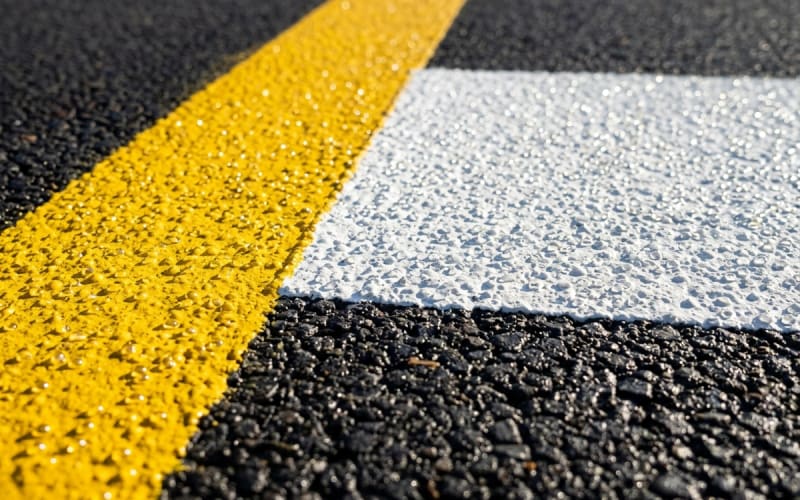
Road Marking & Industrial Floor Demarcation Contracting
High-build chlorinated rubber and epoxy safety walkways, forklift traffic lanes, and loading bay stenciling for industrial facilities and car parks across Kenya.

Structural Steel & Metal Protective Coating Contracting
Heavy industrial anti-corrosion, blast cleaning preparation (Sa 2.5), zinc-rich primers, and polyurethane topcoats for structural steel across Kenya.
Warehouse & Industrial Building Painting
High-bay warehouse interior walls, structural columns, loading dock coatings, and perimeter dust control for industrial logistics centers across Kenya.
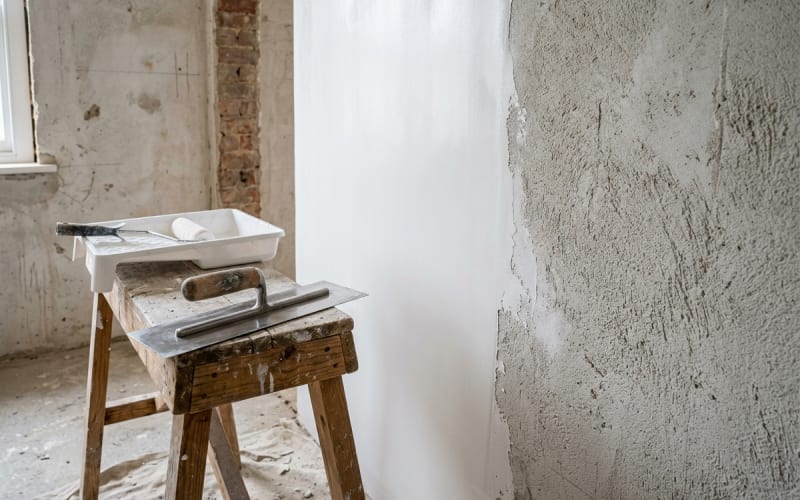
Surface Preparation & Diamond Grinding
Heavy-duty mechanical diamond grinding, paint stripping, floor tile glue removal, crack chase injection, and masonry skimming to ensure sound substrate bonding across Kenya.
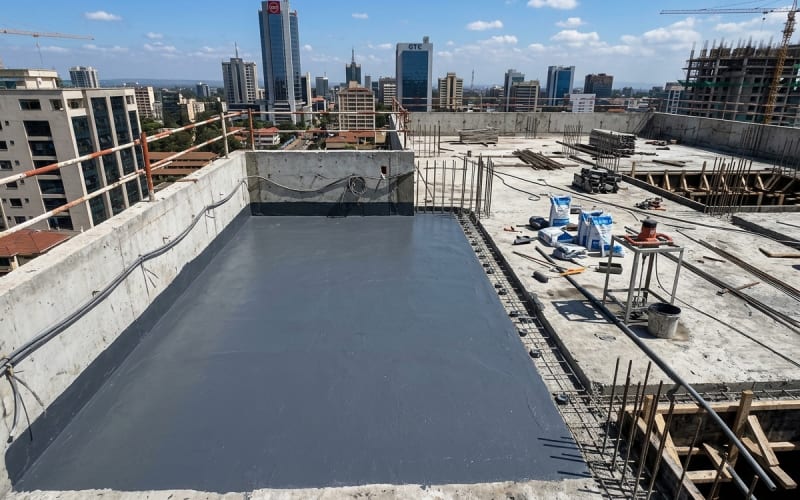
Structural Waterproofing Contracting
Engineered multi-layer moisture barrier contracting for flat concrete roofs, parapet walls, wet areas, basements, and water retaining structures across Kenya.
Engineered Coating Systems for Transport, Automotive & Civil Infrastructure
Road Marking, Highway Line Striping & Parking Bay Demarcation
High-durability solvent-based road marking paints, reflective thermoplastic hot-melt compounds, and reflective glass beads for highways, factory floors, and mall parking lots.
Structural Steel Anti-Rust & Industrial Corrosion Protection
Heavy-duty industrial anti-corrosive primer systems, red oxide primers, zinc chromate, and aliphatic polyurethane topcoats for steel structures, roofs, and gates.

Automotive Vehicle Refinishing, Panel Beating & Fleet Coating
Professional multi-stage automotive coating protocol covering polyester dent filling, anti-corrosive primer-surfacing, and high-gloss 2K acrylic polyurethane topcoating for passenger cars, commercial transport fleets, and steel truck chassis in Kenya.
Concrete Water Tank & Effluent Sump Lining
Potable water certified solvent-free epoxy linings and chemical-resistant polyurethane systems for underground concrete water reservoirs, sewage treatment sumps, and chemical containment.
Formulated Coatings & Primers for Transport, Automotive & Civil Infrastructure

2K Polyurethane Enamel
A two component Polyurethane resin-based coating cured with isocyanate hardener. It is an industrial and architectural coating characterized by high gloss, quick drying, excellent gloss retention, UV resistance, flexibility, and chemical resistance. 2K polyurethane enamel provides superior appearanc
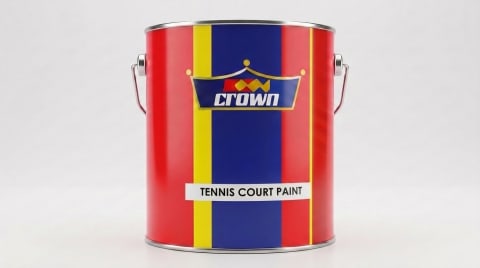
Acrylic Tennis Court Paint
A water based acrylic coating, specifically formulated for use as a tennis court top coat dressing.

Aluminium Leafing Paint
A single pack, synthetic resin-based coating with Aluminium pigment.

Bituminous Aluminium Paint
A single pack, bitumen-based finish with a brownish silver colouring.

Black Bituminous Paint
Product Use: Economical protection for steel, concrete, wood, asbestos, and masonry in mild to slightly harsh environments

Chlorinated Rubber Paint
Type: A single pack, low build, Chlorinated Rubber based coating.

Coil Coating
Crown Coil Coating Backcoat is a single component, polyester resin-based metal coating to give back side protection to metals finished with Coil Coating. It can also be used as a primer to be topcoated with Coil Coating. Substrates: Suitably prepared hot dip galvanised iron and cold rolled steel
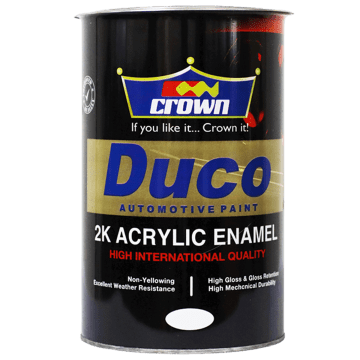
Duco 2K Acrylic Enamel
A two component Acrylic resin-based coating cured with isocyanate hardener Substrates: Suitably primed or previously painted mild steel, galvanised iron, aluminium, fibreglass and wood.

Duco Chasis Black
A single pack solution of low melting point bitumen.
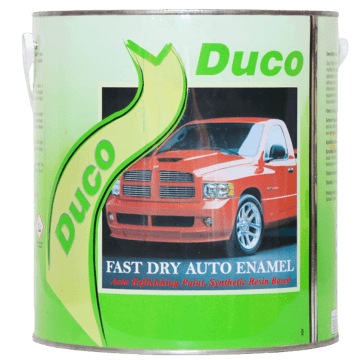
Duco Fast Dry Enamel
A single pack, synthetic resin based enamel
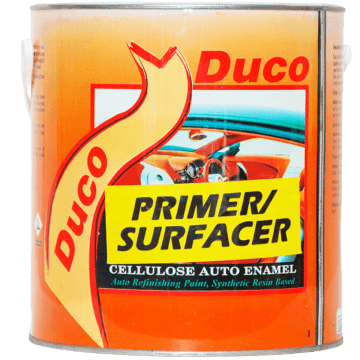
Duco Primer Surfacer Grey
A single pack, nitrocellulose resin-based Primer.

Duco Spot Putty
A single pack, nitrocellulose-based putty in thick paste form.

Eco Binder
Interior and exterior Emulsion which has a white opaque appearance in the container but produces a clear film after application and drying. Based on special modified acrylic emulsion.
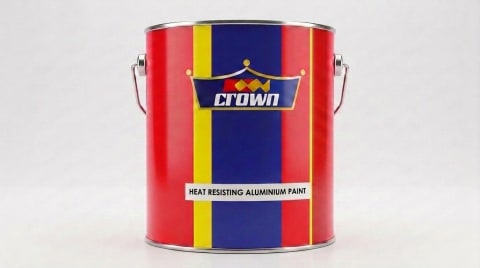
Heat Resistant Aluminium up to 200°C
A single pack, high temperature coating formulated with a leafing aluminum pigment and silicone vehicle that withstands temperatures up to 200°C. Its resistant properties only develop after heating to 200°C. It forms a super durable porcelain-like bond on surfaces at high temperatures and offers exc
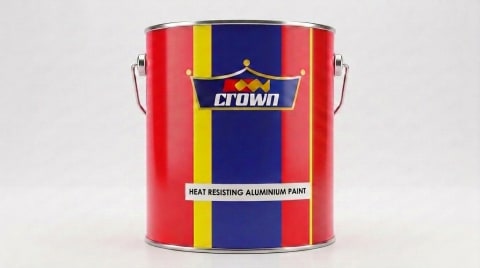
Heat Resistant Aluminium up to 600°C
A single pack, high temperature coating formulated with a leafing aluminum pigment and silicone vehicle that withstands temperatures up to 600°C. Its resistant properties only develop after heating to 600°C. It forms a super durable porcelain-like bond on surfaces at high temperatures and offers exc

Light Weight Body Filler
Crown Light weight Body Weight is a light body weight general purpose polyester putty with a significantly specific gravity lower than common standard body fillers, thereby combining easy application with compact surface and easy sanding.

Q.A.D Enamel
A single pack, quick drying alkyd based glossy finish with good hardness and durability. Substrates: Suitably prepared and primed metal, fiberglass, plastic and woodwork.

Road Marking Paint
A quick-drying, modified alkyd resin solvent-based paint

Roadline Thinner
Type: A clear blend of organic solvents

Schoolboard Paint
An alkyd resin-based topcoat with a smooth matt finish, designed for interior and exterior surfaces.

Squash Court Paint
A modified alkyd resin-based topcoat with a smooth satin finish.

Stoving Enamel
A single pack, alkyd-melamine based finish which when heated to over 120oC, rapidly dries Substrates: Suitably prepared and/or primed ferrous and non-ferrous furniture, light fittings, shelving, partitions etc. to a hard, abrasion resistant coating.

TP Acrylic Road marking Paint
A highly durable, Acrylic paint for marking asphalt and concrete roads.

Thermoline Retroreflective Hot Melt
A combination of plasticized resin, aggregate, pigment and glass beads supplied in powder form. Conforms to the British Standards (BS) specifications, 3262: Part 1/1989 and Kenya Standard KS 2157-1: 2008.

Transeal
Crown Transeal is an acrylic emulsion which has a white opaque appearance in the container but produces a clear, non-yellowing, washable and glossy film after application and drying. It is totally compatible with other Crown water-based coatings.

WB Acrylic Road Marking Paint
A highly durable, water-based coating for the marking of traffic lines on asphalt and c oncrete surfaces.

WB Fire Shield (Intumescent Paint)
Crown WB Fire Shield (Intumescent Paint) is a low VOC water based one component paint designed for fire protection for concrete, structural steel work in buildings, wood, and gypsum board. During direct fire, the coating expands to many times of its original thickness. It creates an insulation layer

Duco 2K Acrylic Thinner
A clear blend of organic solvent.

Duco Cellulose Enamel
Type: A single pack, Nitrocellulose based, spray applied, finishing paintRecommended use: As finishing coat on new or repaired vehicles. Also used extensively in the industrial field for finishing switchboards, transformers, metal and wooden furniture, cabinets, etc.Substrates: Suitably primed mild
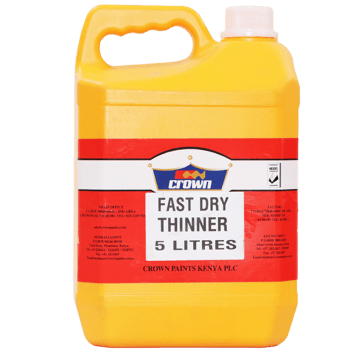
Duco Fast Dry Thinner
A clear blend of aromatic and aliphatic hydrocarbons.
Frequently Asked Questions : Transport, Automotive & Civil Infrastructure
Hot-melt thermoplastic road marking applied at 2.5mm to 3.0mm thickness with intermixed glass beads typically delivers a service lifespan of 3 to 5 years under heavy commercial traffic. Conventional cold solvent-borne road marking paint lasts approximately 9 to 18 months under equivalent traffic loads and is best suited for private car parks, light-traffic access roads, and warehouse yards.
Drop-on glass beads embedded into the molten thermoplastic surface act as miniature optical retroreflectors. Headlight beams entering the spherical beads bounce back directly to the driver eye level, ensuring high road delineation visibility even during dark, unlit highway driving and heavy rainfall.
In accordance with ISO 12944 standards for C3 to C5 atmospheric environments, steel structures are prepared by abrasive blasting to Sa 2.5, coated with a two-pack zinc-rich epoxy primer (75 microns), an intermediate high-build micaceous iron oxide (MIO) epoxy barrier coat (125 microns), and an aliphatic polyurethane topcoat (50 microns) for long-term UV and anti-chalking resistance.
Hot-melt thermoplastic solidifies within 2 to 5 minutes of extrusion, allowing roads to reopen almost immediately without tyre tracking. Cold solvent-borne traffic paints dry to touch within 15 minutes and achieve complete no-pick-up cure within 30 to 45 minutes under standard dry weather conditions.
Automotive workshops require heavy-duty, solvent-free epoxy floor systems (1.5mm to 3.0mm) with textured slip-resistant finishes. These systems resist harsh automotive chemicals including hydraulic fluid, motor oil, petrol, and battery acid while allowing easy squeegee cleaning of work bays.
Yes. To avoid disrupting daytime municipal and highway commuter flow, civil road marking projects are typically executed during night windows (10:00 PM to 5:00 AM). Our crews deploy road signage, reflective safety barriers, directional arrow trucks, and illuminated work zones in compliance with traffic authority guidelines.
Yes. Civil concrete structures exposed to vehicle exhaust fumes absorb carbon dioxide, which reduces concrete alkalinity and triggers reinforcing steel rebar corrosion. We apply elastomeric acrylic anti-carbonation coatings that block carbon dioxide and moisture ingress while remaining permeable to water vapour.
Formal Specifications & eTIMS Invoicing
We supply complete compliance documentation including KRA PIN, eTIMS compliant receipts, Technical Data Sheets (TDS), and structured proforma scheduling for commercial facilities across Kenya.