
Common Operational Challenges
Physical and chemical factors that dictate surface preparation and system selection in this environment:
- •Aggressive daily washdowns utilizing high-pressure hot water, live steam, and caustic chemical sanitizers
- •Organic acid and sugar attack (lactic, citric, and acetic acids) corroding unsealed concrete substrates
- •Strict hygiene requirements prohibiting floor joints, pinholes, or crevices where bacteria can colonize
- •Severe thermal shock around boiling vats, cookers, blast freezers, and cold storage transfer zones
- •Downtime constraints requiring rapid-cure systems during scheduled maintenance shutdowns
Compliance & Quality Benchmarks
Technical standards and regional regulatory frameworks relevant to coating and safety specifications for this sector:
Substrate Preparation, Coating Chemistry & Maintenance Protocols
Sanitary Flooring and Cleanroom Coating Architecture#
In food processing, dairy, beverage bottling, edible oil plants, and pharmaceutical packaging facilities across Kenya, flooring and wall surfaces must withstand punishing chemical exposure while maintaining flawless sanitary hygiene. Standard tiles with cementitious grout lines fail rapidly in food plants: fats and acids penetrate grout pores, harbouring bacterial contamination like Listeria and Salmonella that violate food safety audits.
Polyurethane Resin Screeds vs. Self-Smoothing Epoxies#
For wet processing areas, commercial kitchens, slaughterhouses, and dairies where temperatures fluctuate from boiling washdowns to cold room chilling, heavy-duty polyurethane resin screeds (4mm to 6mm thickness) provide exceptional thermal shock resistance from -40 degrees Celsius to +120 degrees Celsius. In pharmaceutical dry packaging rooms and tablet inspection suites, 2mm to 3mm self-smoothing epoxy coatings deliver ultra-flat, dust-free finishes compatible with stringent HEPA airflow protocols.
Sanitary Coving and Wall-to-Floor Junctions#
HACCP and cGMP standards mandate smooth, radius-coved transitions between floors and walls. Sienna forms monolithic 50mm to 100mm epoxy or polyurethane mortar covings that eliminate right-angle dirt traps, allowing cleaning staff to squeegee wash water directly into stainless steel drainage gullies without water penetrating behind wall cladding.
Antimicrobial Wall Enamels and Ceiling Coatings#
Processing room walls and ceilings receive hard-wearing, non-leaching antimicrobial polyurethane or epoxy wall coatings. These formulations resist persistent condensation, chlorine disinfectant wiping, and mold formation, delivering smooth surfaces that remain inert when exposed to food contact splashes.
Recommended Contracting Services for Food, Beverage & Pharmaceutical Facilities
Specialized application teams equipped for substrate profiling, moisture testing, and technical execution.
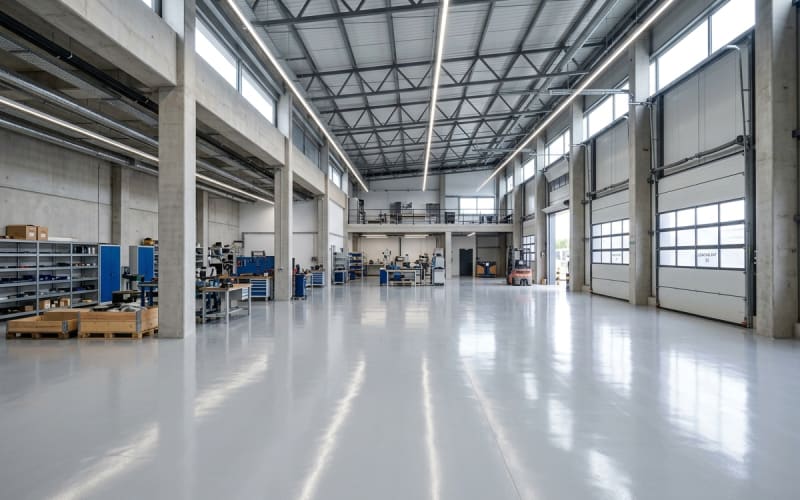
Seamless Industrial Epoxy & PU Flooring
High-build seamless epoxy flooring, self-smoothing screeds, and chemical-resistant floor coatings for warehouses, manufacturing plants, automotive workshops, and commercial facilities across Kenya.
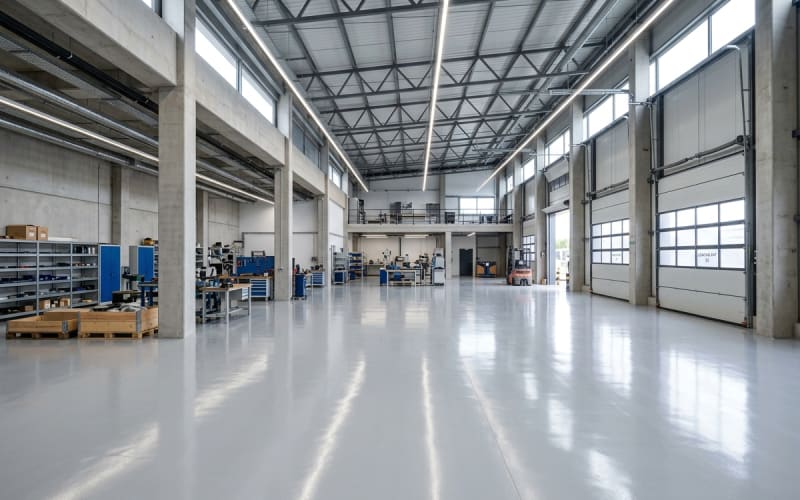
Heavy-Duty Polyurethane Screeds & Floor Coatings
Heavy-duty polyurethane resin screeds, thermal shock flooring (-40C to +120C), and food-grade hygienic finishes for commercial kitchens and processing plants across Kenya.
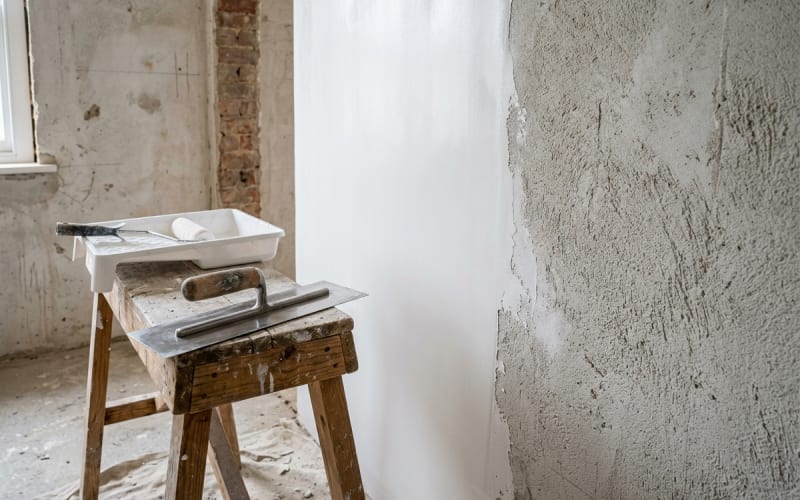
Surface Preparation & Diamond Grinding
Heavy-duty mechanical diamond grinding, paint stripping, floor tile glue removal, crack chase injection, and masonry skimming to ensure sound substrate bonding across Kenya.

Planned Commercial Repainting & Facility Maintenance
Scheduled facility painting maintenance agreements, quarterly touch-ups, and cyclic repainting for property managers and corporate facilities across Kenya.
Engineered Coating Systems for Food, Beverage & Pharmaceutical Facilities
Industrial Epoxy Floor Screeding & Coating
Seamless heavy-duty self-smoothing epoxy and polyurethane screeds for industrial workshops, warehouses, commercial garages, and manufacturing plants.
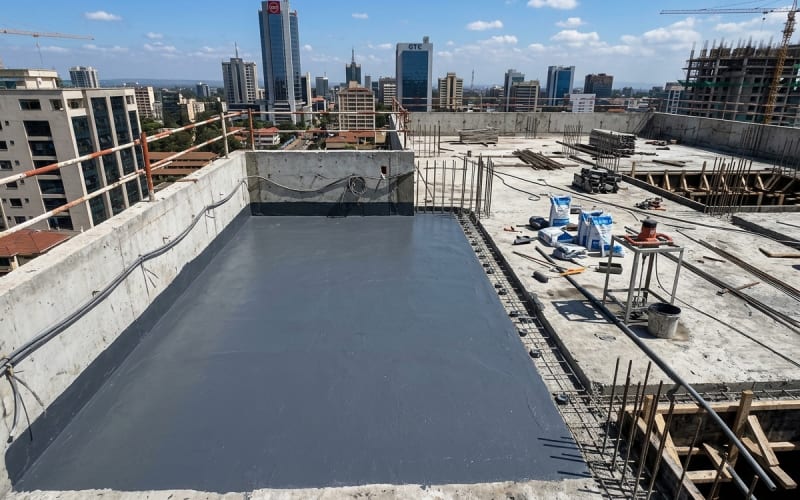
Concrete Water Tank & Effluent Sump Lining
Potable water certified solvent-free epoxy linings and chemical-resistant polyurethane systems for underground concrete water reservoirs, sewage treatment sumps, and chemical containment.
Concrete Surface Preparation, Grinding & Substrate Profiling
Professional mechanical diamond grinding, scarifying, dust-free shot blasting, and chemical floor etching to prepare concrete for high-adhesion coatings.
Formulated Coatings & Primers for Food, Beverage & Pharmaceutical Facilities

CP FLOORTEK SF Epoxy SL Topcoat
CP FLOORTEK SF Epoxy SL Topcoat: Ideal for floor toppings in industries such as: Food processing, Warehouses Engineering & Auto industries, Healthcare, Laboratories & Hospitals, Electronic Handling & Manufacturing unit, Computer assembly units, IT and other Commercial Buildings, Fla
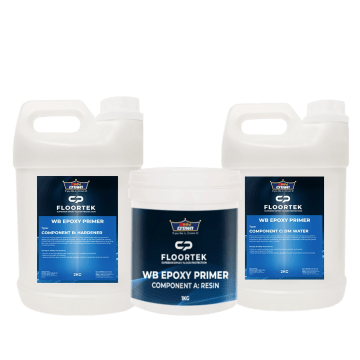
CP FLOORTEK Waterborne Epoxy Primer
CP FLOORTEK Waterborne Epoxy Primer: It is recommended on interior floors which require high mechanical and chemical resistance

CP FLOORTEK- SF Epoxy Screed SL1000/2000
CP FLOORTEK- SF Epoxy Screed SL1000/2000: Ideal for wide range of floors exposed to extreme wear and tear. Eg (Steel plants, Plant rooms, Warehouses, Factories, Food and Beverage plants, Oil Refineries)
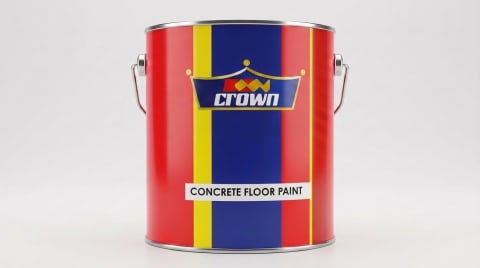
Concrete Floor Paint
An alkyd resin-based topcoat with a glossy finish.

Two Pack Epoxy Floor Paint
An epoxy resin-based floor coating with a semi-glossy finish, supplied in two-pack form with good resistance to abrasion, chemicals, water, fats, oils, pedestrian and vehicular traffic
Frequently Asked Questions : Food, Beverage & Pharmaceutical Facilities
Ceramic or quarry tiles contain cementitious grout joints that absorb moisture, organic fats, sugars, and cleaning chemicals. Over time, bacteria and fungal colonies grow within the porous grout, causing unpleasant odours and audit failures under HACCP guidelines. Monolithic polyurethane screeds eliminate all joints, providing a completely non-porous, cleanable surface.
Standard epoxy coatings handle dry processing, foot traffic, and moderate chemical exposure up to approximately 60 degrees Celsius. Polyurethane resin screeds (4mm to 6mm) are engineered for wet processing, hot water washdowns, thermal shock (up to 120 degrees Celsius), and aggressive organic acids such as lactic acid from milk and fruit sugars.
We install integral 50mm to 100mm radius covings using epoxy or polyurethane mortar. This creates a seamless curved junction between the floor and wall, removing sharp 90-degree corners where food residue, dirt, and wash water typically accumulate.
Yes. We broadcast graded quartz aggregates between resin coats to create tailored slip-resistance profiles (from R10 to R13 ratings). This ensures operator safety in wet washdown zones, butcheries, and beverage filling halls while remaining cleanable with standard scrubbing equipment.
Standard epoxy systems require 24 hours for light foot traffic and 5 to 7 days for full chemical cure. Fast-cure polyurethane systems and polyaspartic coatings can achieve return to service within 24 to 48 hours, enabling weekend shutdown installations without halting weekday production.
Yes. We specify 100% solids, zero-solvent epoxy and polyurethane formulations that are completely non-tainting and low-odour, preventing volatile organic compounds (VOCs) from contaminating adjacent open food, grain, or packaging stock.
Old food production floors often harbour deep oil and grease penetration. We carry out industrial degreasing, chemical neutralisation, and mechanical diamond grinding or shot blasting to remove the contaminated surface layer down to sound, open-pored concrete, followed by an oil-tolerant moisture barrier primer.
Formal Specifications & eTIMS Invoicing
We supply complete compliance documentation including KRA PIN, eTIMS compliant receipts, Technical Data Sheets (TDS), and structured proforma scheduling for commercial facilities across Kenya.