

Common Operational Challenges
Physical and chemical factors that dictate surface preparation and system selection in this environment:
- •Biogenic sulfuric acid attack on concrete headspaces in wastewater aeration and settlement tanks
- •Ensuring zero toxic chemical leaching into potable drinking water reservoirs and storage tanks
- •Secondary containment chemical bunds exposed to caustic soda, hydrochloric acid, and chlorine
- •High hydrostatic pressure pushing moisture from the exterior of buried water structures
- •Confined space entry hazards and strict ventilation requirements during epoxy tank lining
Compliance & Quality Benchmarks
Technical standards and regional regulatory frameworks relevant to coating and safety specifications for this sector:
Substrate Preparation, Coating Chemistry & Maintenance Protocols
Water Infrastructure Preservation and Chemical Attack Dynamics#
Municipal water service companies (WASCOs), beverage bottling plants, manufacturing effluent treatment plants (ETPs), and commercial water reservoirs in Nairobi, Eldoret, Kisumu, Nakuru, and Mombasa manage critical concrete and steel containment assets. In potable tanks, linings must guarantee zero chemical taint, while in sewage and industrial effluent plants, microbiological oxidation produces biogenic sulfuric acid that disintegrates unprotected concrete within a few years. Sienna engineers high-performance barrier linings designed for continuous water immersion.
Solvent-Free Certified Potable Water Tank Epoxy Linings#
Linings applied to concrete drinking water reservoirs and overhead steel tanks must strictly comply with BS 6920 and KEBS standards. Traditional solvent-borne paints leach toxic aromatic compounds into drinking water. Sienna specifies 100 percent solids, solvent-free epoxy linings. When cured, these monolithic coatings form a glossy ceramic-like barrier that inhibits bacterial biofilm adherence, introduces zero taste or odour, and withstands continuous water submersion.
Biogenic Acid Defense in Effluent Digesters and Sewer Headspaces#
In municipal sewage channels, lift stations, and industrial effluent equalization tanks, bacteria convert hydrogen sulfide gas into concentrated sulfuric acid along headspace concrete walls. Standard epoxy coatings bubble and fail in this environment. We apply high-functionality epoxy novolac and vinyl ester linings that withstand pH levels from 1 to 14, preventing sulfuric acid from attacking concrete calcium silicates.
Secondary Chemical Bund Containment and Hydrostatic Pressure Control#
Water treatment plants store bulk sodium hypochlorite, aluminium sulphate, and caustic soda. Under NEMA guidelines, storage tanks must sit inside sealed concrete bunds capable of holding 110 percent of vessel volume. We line bund walls with crack-bridging chemical resistant resins, and address external groundwater pressure on subterranean tanks using crystalline waterproofing that grows insoluble crystals within concrete capillaries.
Recommended Contracting Services for Water Storage, Utilities & Wastewater Treatment Facilities
Specialized application teams equipped for substrate profiling, moisture testing, and technical execution.
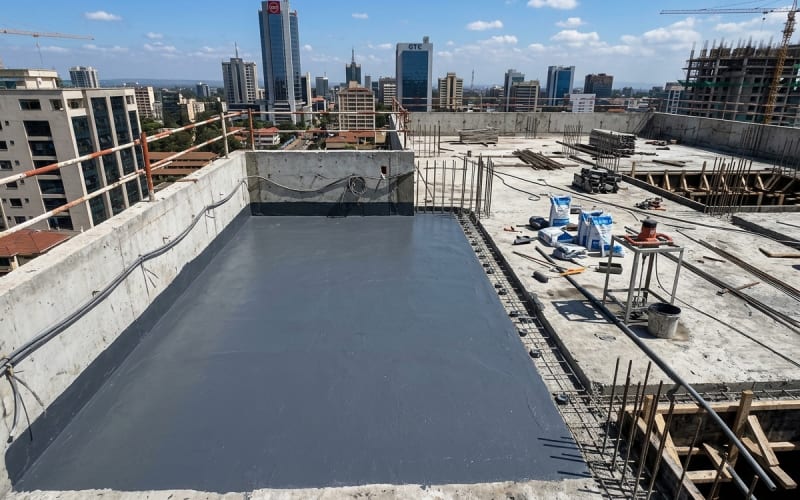
Structural Waterproofing Contracting
Engineered multi-layer moisture barrier contracting for flat concrete roofs, parapet walls, wet areas, basements, and water retaining structures across Kenya.

Structural Steel & Metal Protective Coating Contracting
Heavy industrial anti-corrosion, blast cleaning preparation (Sa 2.5), zinc-rich primers, and polyurethane topcoats for structural steel across Kenya.
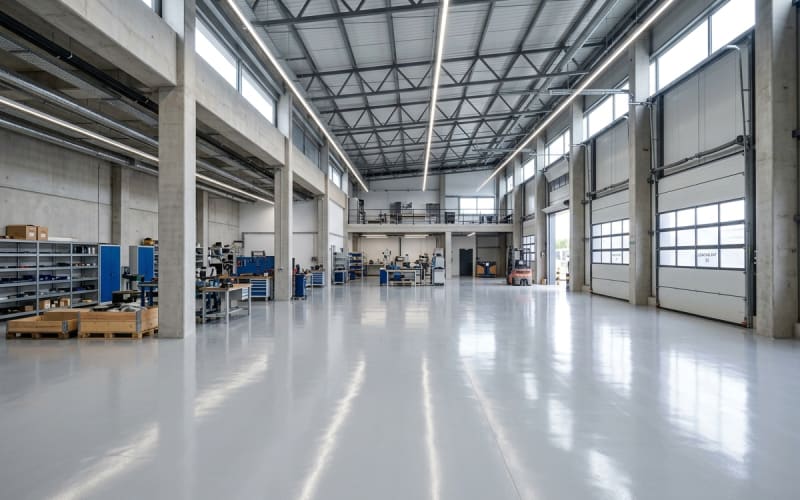
Seamless Industrial Epoxy & PU Flooring
High-build seamless epoxy flooring, self-smoothing screeds, and chemical-resistant floor coatings for warehouses, manufacturing plants, automotive workshops, and commercial facilities across Kenya.
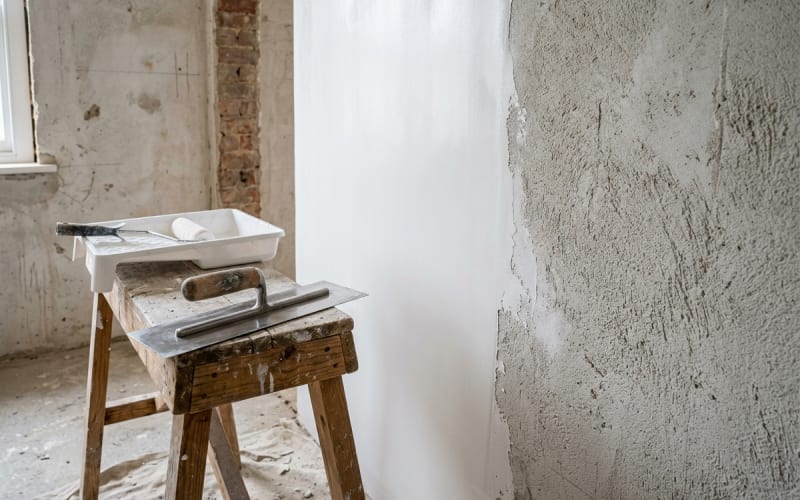
Surface Preparation & Diamond Grinding
Heavy-duty mechanical diamond grinding, paint stripping, floor tile glue removal, crack chase injection, and masonry skimming to ensure sound substrate bonding across Kenya.
Frequently Asked Questions : Water Storage, Utilities & Wastewater Treatment Facilities
Yes. We apply solvent-free, 100 percent solids epoxy lining systems compliant with BS 6920 and KEBS standards for potable water contact. These coatings contain zero volatile solvents, heavy metals, or plasticizers, ensuring zero chemical leaching, taint, or odour into drinking water.
We specify epoxy novolac and vinyl ester resin linings engineered specifically for biogenic acid immersion. These high-crosslinked polymers form an impermeable barrier that resists concentrated sulfuric acid formed by hydrogen sulfide gas in sewer headspaces.
We mechanically remove laitance and contaminants using dustless diamond grinding or high-pressure abrasive grit blasting to achieve an ICRI Concrete Surface Profile (CSP) 3 to 5. We then fill bugholes and honeycombs with epoxy fairing putty before applying the barrier lining.
For underground tanks subjected to negative hydrostatic water pressure from exterior soil moisture, we apply crystalline waterproofing slurry systems that penetrate into concrete capillaries, forming insoluble crystals that permanently block water pathways from the outside.
Our crews follow strict DOSHS confined space protocols: calibrated multi-gas atmospheric monitors (oxygen, LEL, hydrogen sulfide), continuous mechanical forced-air ventilation, 24V explosion-proof lighting, full safety harness retrieval tripods, and dedicated external standby rescue personnel.
Under standard Kenyan temperatures (22 to 28 degrees Celsius), our 100 percent solids potable water epoxy linings achieve full chemical cure within 5 to 7 days, after which the tank undergoes forced ventilation, high-pressure water washing, and sterilization before final refilling.
Yes. We apply elastomeric joint sealants and multi-coat novolac epoxy or polyurethane coatings to concrete bund floors and perimeter walls, ensuring complete containment compliance under NEMA environmental safety regulations.
Formal Specifications & eTIMS Invoicing
We supply complete compliance documentation including KRA PIN, eTIMS compliant receipts, Technical Data Sheets (TDS), and structured proforma scheduling for commercial facilities across Kenya.