
Common Operational Challenges
Physical and chemical factors that dictate surface preparation and system selection in this environment:
- •Fuel hydrocarbon solvent attack and catastrophic failure of unapproved paint coatings
- •Explosive volatile atmospheric environments requiring non-sparking surface preparation tools
- •Transformer dielectric cooling oil spills attacking electrical substation foundation slabs
- •Severe atmospheric corrosion on high-voltage transmission towers, wind turbine masts, and solar racking
- •Heavy tanker truck wheel traffic and fuel drippage in retail forecourts and loading gantries
Compliance & Quality Benchmarks
Technical standards and regional regulatory frameworks relevant to coating and safety specifications for this sector:
Substrate Preparation, Coating Chemistry & Maintenance Protocols
Energy Infrastructure Integrity and Hazardous Environment Protocols#
Petroleum depots, fuel storage terminals, LPG filling plants, thermal power stations, and electrical substations in Nairobi, Mombasa, Nakuru, Eldoret, and Kisumu operate under stringent EPRA and NEMA compliance rules. Unprotected concrete bunds and structural steel exposed to hydrocarbons, dielectric mineral oils, and corrosive atmospheres can suffer rapid structural degradation and lead to catastrophic environmental contamination. Sienna executes specialized protective coating projects for the energy and downstream petroleum sectors.
EPRA-Compliant Fuel Bund Linings and Hydrocarbon Containment#
Secondary containment bund walls around bulk diesel, petrol, and jet A-1 fuel tanks must hold spills without leaking into soil or groundwater. Standard paints instantly dissolve when exposed to aromatic hydrocarbons. We install high-solids novolac epoxy and vinyl ester resin lining systems. These coatings cross-link into a dense chemical barrier that resists continuous fuel contact, petrol aromatics, and thermal expansion across large concrete bund structures.
Substation Transformer Bays and Dielectric Oil Protection#
In electrical transmission substations, power transformers leak hot dielectric mineral cooling oil onto concrete plinths and drainage sumps. Penetrating oil softens standard coatings and degrades concrete load-bearing capacity. Sienna prepares concrete surfaces and applies oil-impervious polyurethane and epoxy screeds that resist hot dielectric fluid up to 90 degrees Celsius, ensuring environmental compliance under EPRA and NEMA mandates.
High-Temperature Exhaust and Structural Steel Tower Coatings#
Thermal power plant exhaust stacks, generator exhaust piping, and transmission towers endure severe thermal and environmental stress. We apply silicone-modified temperature-resistant coatings capable of withstanding temperatures from 200 to 600 degrees Celsius without blistering, as well as high-build zinc-rich epoxy and polyurethane systems that protect galvanized electrical towers from atmospheric corrosion.
Recommended Contracting Services for Petroleum, Energy & Fuel Distribution Facilities
Specialized application teams equipped for substrate profiling, moisture testing, and technical execution.

Structural Steel & Metal Protective Coating Contracting
Heavy industrial anti-corrosion, blast cleaning preparation (Sa 2.5), zinc-rich primers, and polyurethane topcoats for structural steel across Kenya.
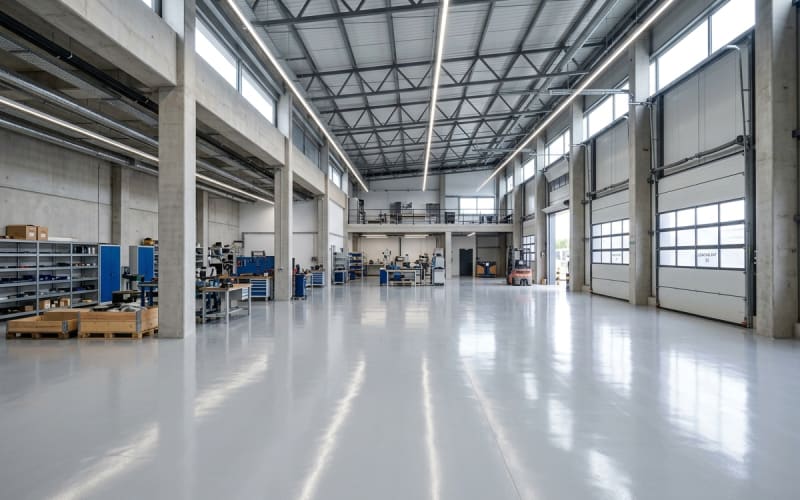
Seamless Industrial Epoxy & PU Flooring
High-build seamless epoxy flooring, self-smoothing screeds, and chemical-resistant floor coatings for warehouses, manufacturing plants, automotive workshops, and commercial facilities across Kenya.
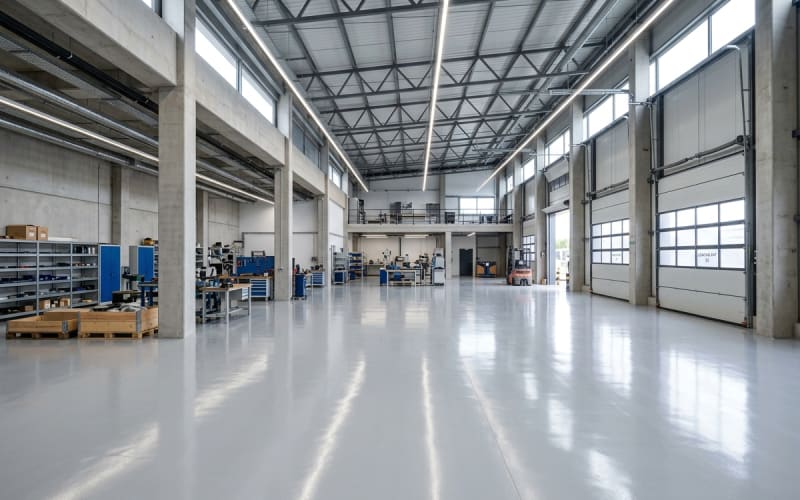
Heavy-Duty Polyurethane Screeds & Floor Coatings
Heavy-duty polyurethane resin screeds, thermal shock flooring (-40C to +120C), and food-grade hygienic finishes for commercial kitchens and processing plants across Kenya.

Road Marking & Industrial Floor Demarcation Contracting
High-build chlorinated rubber and epoxy safety walkways, forklift traffic lanes, and loading bay stenciling for industrial facilities and car parks across Kenya.
Frequently Asked Questions : Petroleum, Energy & Fuel Distribution Facilities
Yes. Our secondary containment bund lining systems use specialized novolac epoxy and vinyl ester resins tested for chemical immersion against petrol, diesel, kerosene, and heavy fuel oils (HFO), satisfying EPRA, NEMA, and API 652 containment specifications.
In explosive ATEX/hazardous zones (Zone 1 and Zone 2), we deploy non-sparking beryllium-copper pneumatic tools, intrinsically safe equipment, and vapor-blasting technology. We conduct continuous lower explosive limit (LEL) gas monitoring under strict Hot Work Permit protocols.
We install chemical-resistant epoxy novolac or aromatic polyurethane coatings designed specifically to resist hot dielectric mineral oils up to 90 degrees Celsius, preventing transformer oil from penetrating concrete foundations or polluting subsoil.
Exterior fuel tanks receive an ISO 12944 high-durability system: abrasive blasting to Sa 2.5, high-build zinc-rich epoxy primer, high-solids epoxy intermediate coat, and an aliphatic polyurethane topcoat formulated with high solar-reflective white pigment to minimize fuel boil-off.
Yes. For petroleum loading gantries and retail service station tanker offloading bays, we install 4mm to 6mm heavy-duty polyurethane resin screeds that endure continuous rolling wheel loads, hydraulic point pressure, and fuel drippage.
Yes. We supply and apply specialized silicone-based and ceramic heat-resistant coatings engineered to withstand dry operating temperatures ranging from 200 to 600 degrees Celsius without flaking, discolouring, or losing anti-corrosive properties.
Yes. Our industrial technicians hold certified training in Permit to Work (PTW) procedures, hazardous atmosphere safety, fire suppression, DOSHS confined space entry, and proper personal protective equipment (PPE) compliance for energy sector sites.
Formal Specifications & eTIMS Invoicing
We supply complete compliance documentation including KRA PIN, eTIMS compliant receipts, Technical Data Sheets (TDS), and structured proforma scheduling for commercial facilities across Kenya.